≡ Menu

A Poem for Valentine’s Day on the High Line

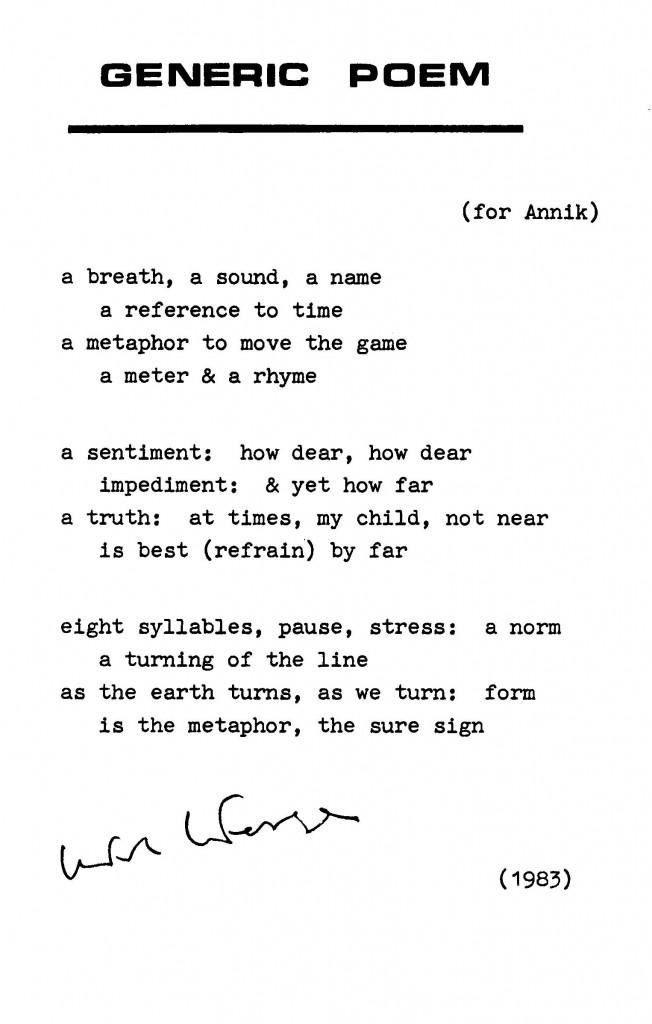
Today, Valentine’s Day, a poem from my Dad, as he typed it and then signed it, as a Valentine’s Day card for me many years ago. He would have loved the High Line, and I’m sorry he never got to see it.

Happy Valentine’s Day, everyone!

Generic Poem by W.E.R. La Farge

Generic Poem by W.E.R. La Farge

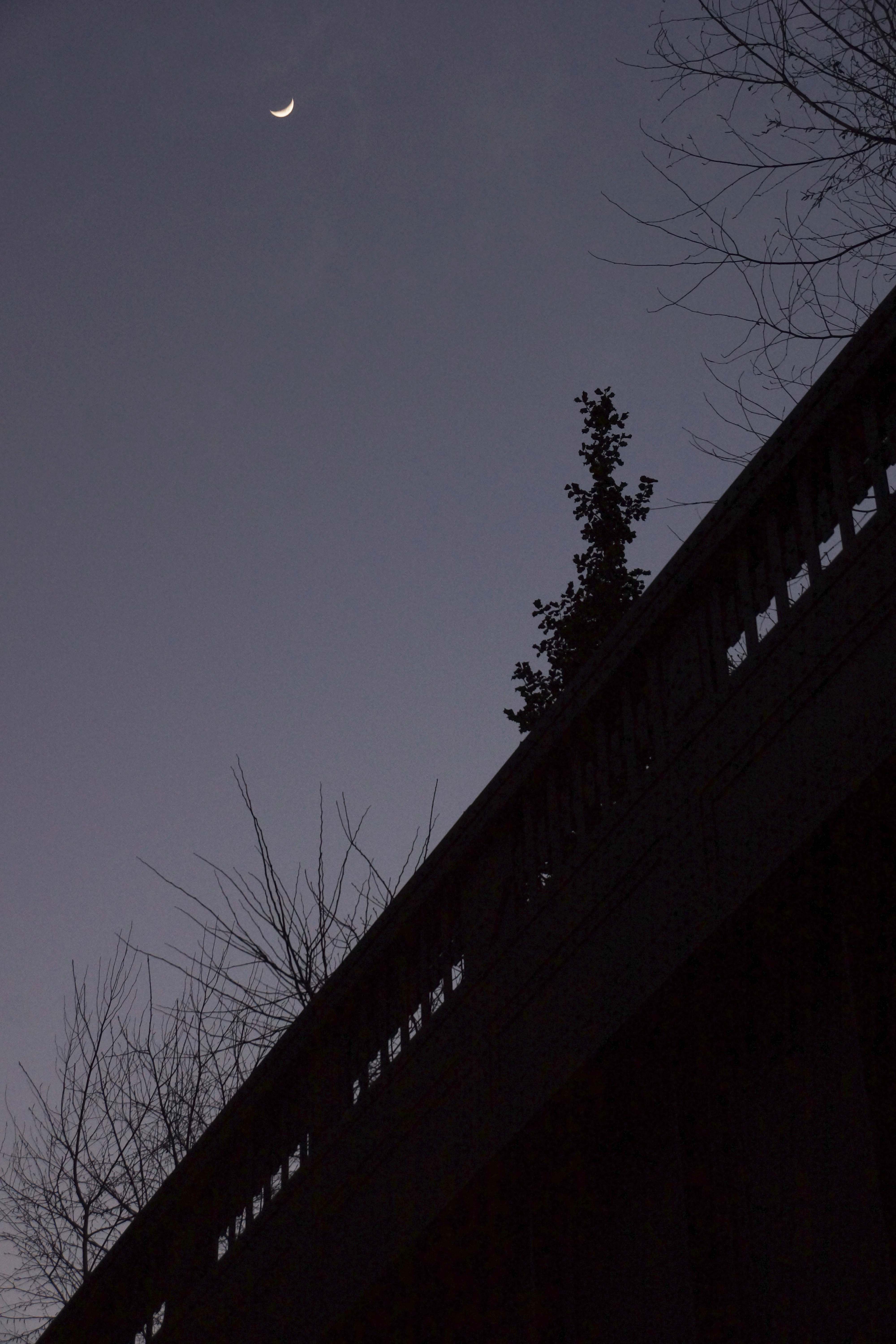
Click here to read more of W.E.R.’s poetry. And for those who missed it, here’s a shot of the moon over the High Line at about cocktail hour.

Valentine's Day moon over the High Line

Valentine’s Day moon over the High Line


Share
{ 0 comments }

The High Line: Past, Present and Future

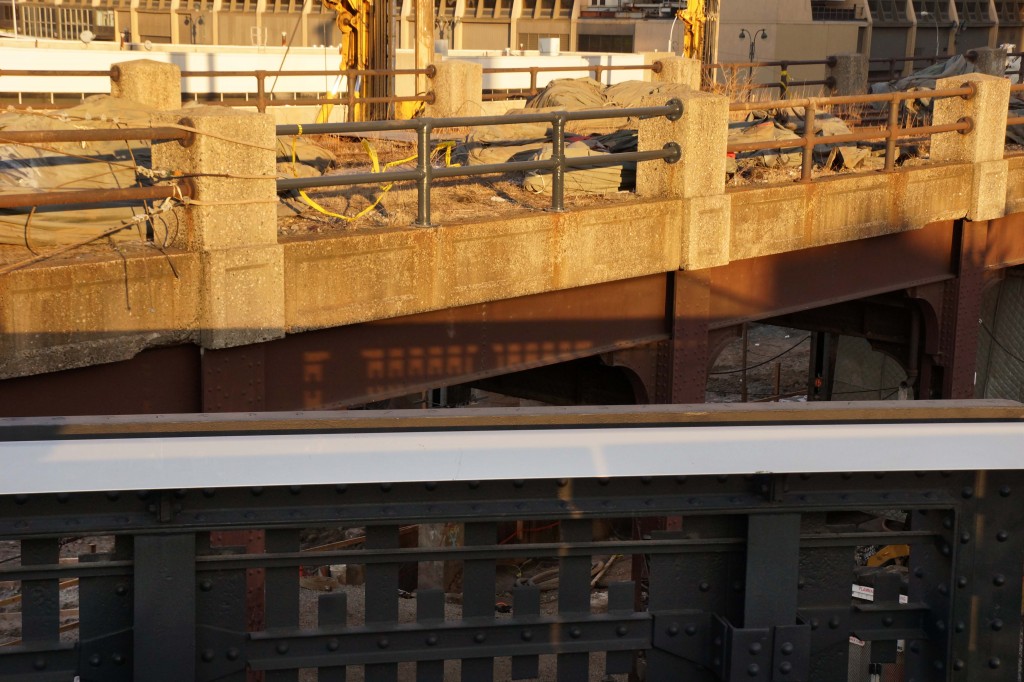
DSC07588

Here’s a picture that’s worth a thousand words: the High Line past (rusty old viaduct); present (restored railing with its modern light fixture on top); and future (one set of pipe-rails painted and signs of construction all around).  The northern end of the park is a flurry of activity, both on the High Line and on the streets below.  But the fading sunlight still manages to find its way between all the new buildings that are rising faster than seems possible, with their giant cranes constantly circling overhead. You just have to be there at the precise moment to snap your shutter before it’s gone.

Share
{ 2 comments }

A Perfect High Line Day

DSC07445

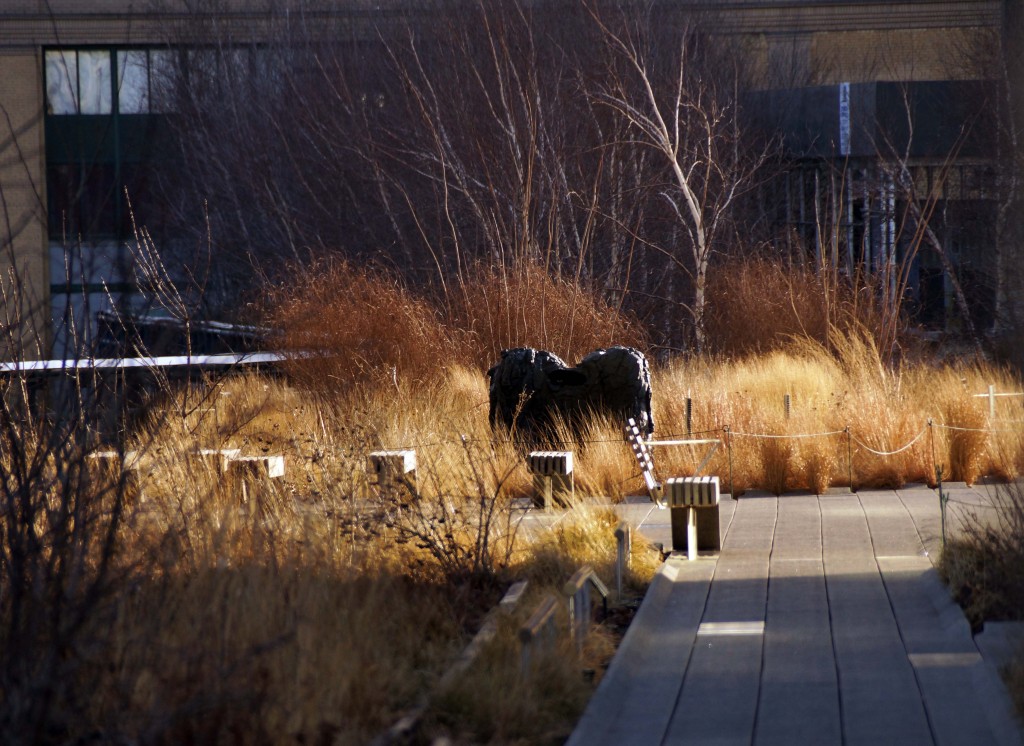
It’s cold outside, 19 degrees according to my weather app, but on the windy High Line it’s colder still. And yet: what a perfect day to be here. The sky is a painter’s cerulean blue, and the sun is bright. It angles its light across the park, making the grasses tawny and casting beautiful shadows across the pavement.

And the park is empty, but for a few hardy souls. It’s also quiet, because many of the ubiquitous construction crews seem to have found indoor projects.  On days like this I remember that the High Line is our park — a neighborhood place where you can pop by for a quick, enjoyable walk in the middle of a busy day.  It’s going to be like this through the week, lucky us.


Share
{ 0 comments }

A River Runs Through It

Sandy's high water mark, 22nd Street near 11th Ave.

Hurricane Sandy’s high water mark. West 22nd Street, near 11th Ave.

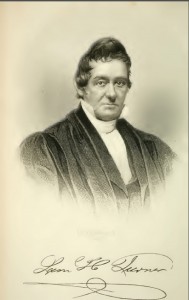
When I was researching my High Line book I came across an autobiography published in 1864 by a professor at General Theological Seminary, Rev. Samuel H. Turner. In his book Dr. Turner recalls the days when there was a hill and an apple orchard behind the Seminary, and 21st Street was known as Love Lane. There was also, running north along the western edge of General Theological Seminary, something that would surprise a modern visitor. The Hudson River.

The city was just a bit smaller in those pre-landfill days, and Dr. Turner describes how, at high tide, the river “washed what is now the Tenth Avenue.” The Hudson presented many challenges to the Seminary community, including depositing at its front door waves of mud that was ankle deep. One winter, so much mud piled up around the building that “it was almost inaccessible, except on horseback or in a carriage.”

Rev. Samuel H. Turner

Rev. Samuel H. Turner

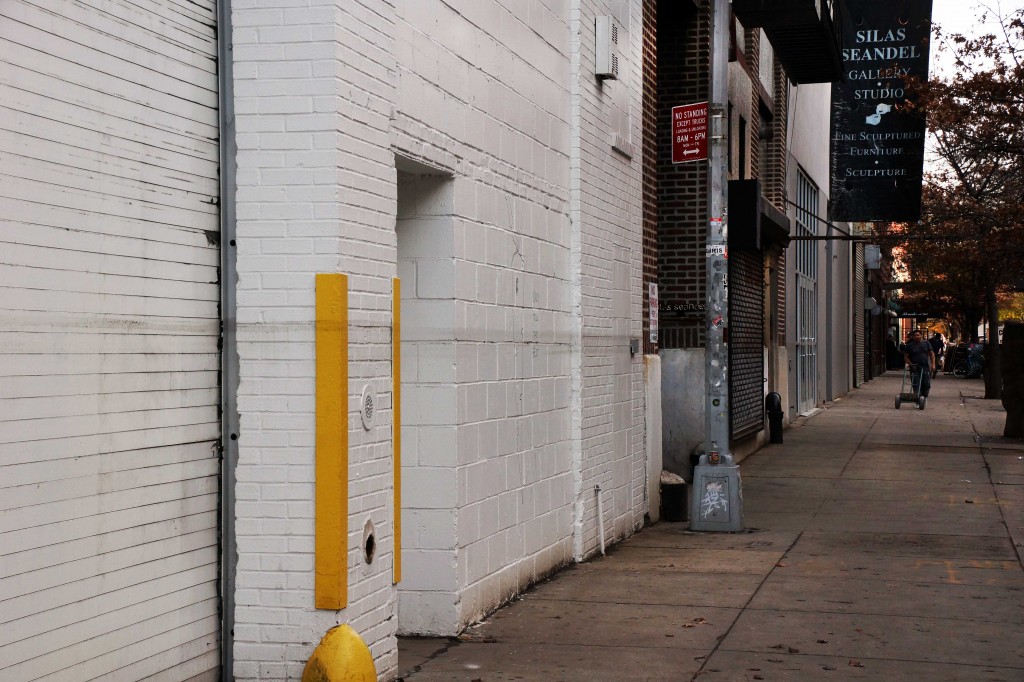
These days, as I walk down 22nd Street toward the West Side Highway, I find myself thinking about Dr. Turner and his mud problems. You have to look carefully, but there, running along several buildings on the north side of the street, is Hurricane Sandy’s high water mark.  Flecked with mud and grime, the crusty water line is an inch or so thick and stands about 5′ above the sidewalk.

No one has yet come to wipe this reminder away, though it crosses several properties. Here, on a spot where 200 years ago Samuel Turner and his colleagues would have seen whitecaps and sailing masts, is a strip of dirt from the deep caverns of our ancient riverbed. Sandy’s water line stands as an enduring, muddy cicatrice that marks the spot where briny waves of the Hudson River stormed past a restaurant, a furniture maker’s shop, a few art galleries, a city-run shelter for men, and some homes on the evening of October 29th.

After the Civil War the city began selling “water lots,” and developers rushed in to buy up chunks of the Hudson River, which they filled in and developed into factories, warehouses, and living quarters for the surging immigrant population that was flooding New York. The building where I live, which hugs the High Line east of Sandy’s water line on 22nd Street, was built in 1888 as a cigarette packing factory. Later it became a furniture factory for a company called Spears, which cut giant window bays into the brick walls and attached a loading dock that connected to the High Line, thus facilitating the shipment of furniture along the New York Central Railroad’s elevated freight line.

The High Line roughly follows the landfill line on the far west side of Manhattan. I’m pretty sure this is why the cabinets in my office started rattling and tilting during the freak earthquake of August 2011, while friends who were working on good old Manhattan schist in midtown felt nothing. Back in the early 19th century there was a river running beneath us.  Eager developers mastered some part of that river and built upon it what was first a center of industry and later became a magnet for artists, geeks, hedge fund guys and tourists. But what we now know, courtesy of Hurricane Sandy, is that this river will rise up from time to time and leave its watery mark on our real estate and on our lives.

No horse, no carriage, no automobile will ever be a match for the force that came through here two months ago.

Share
{ 1 comment }

The Feisty Tenement

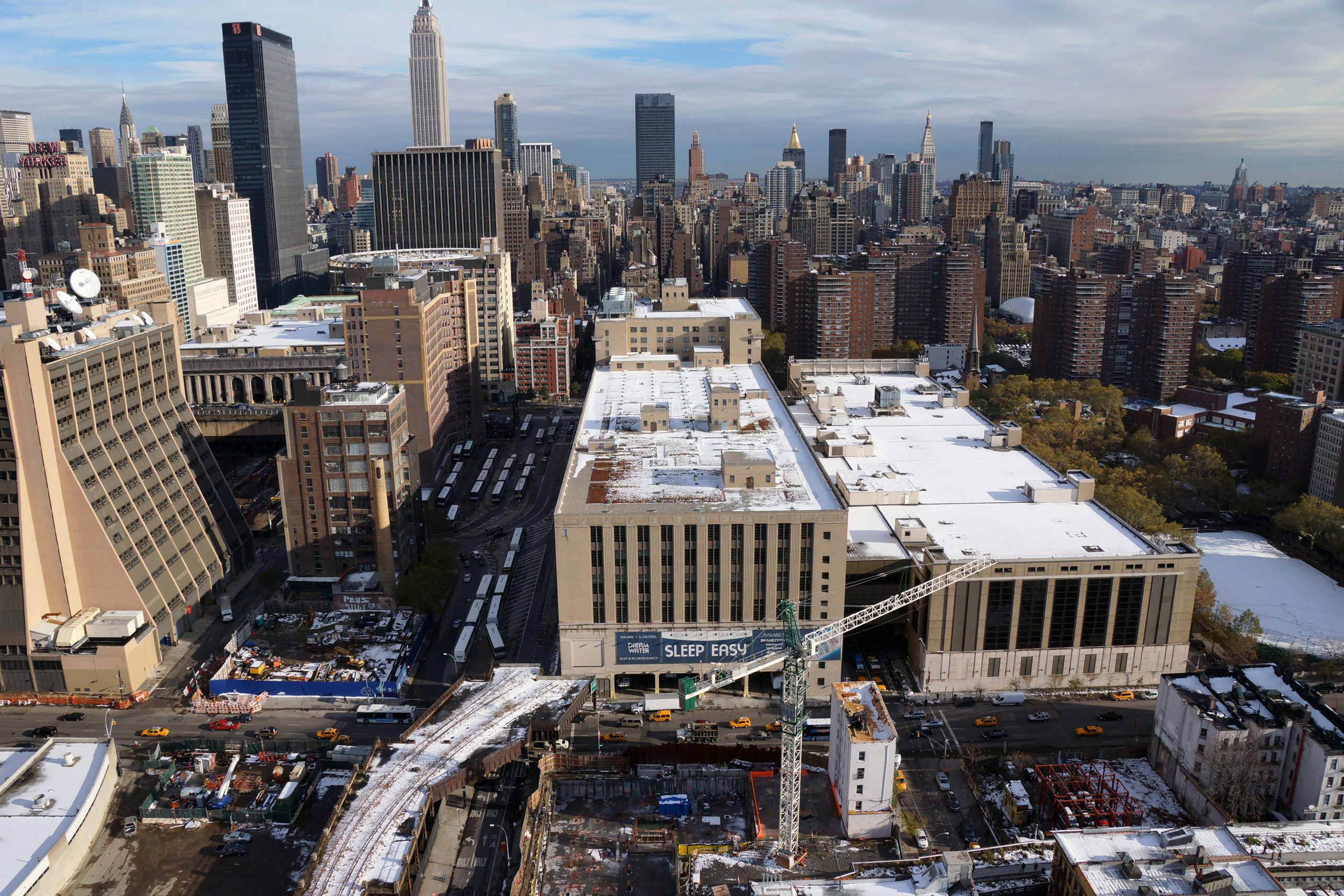
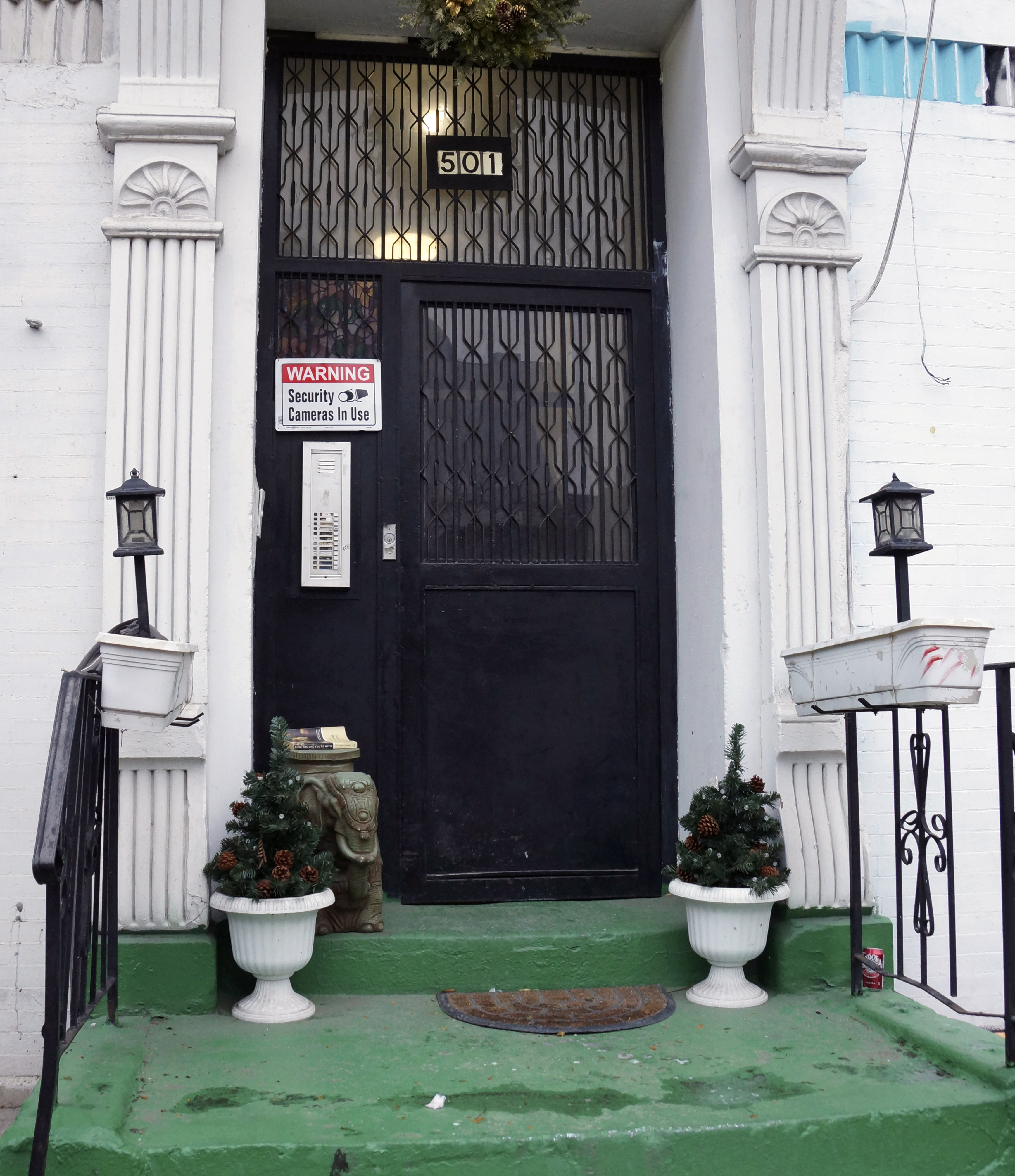
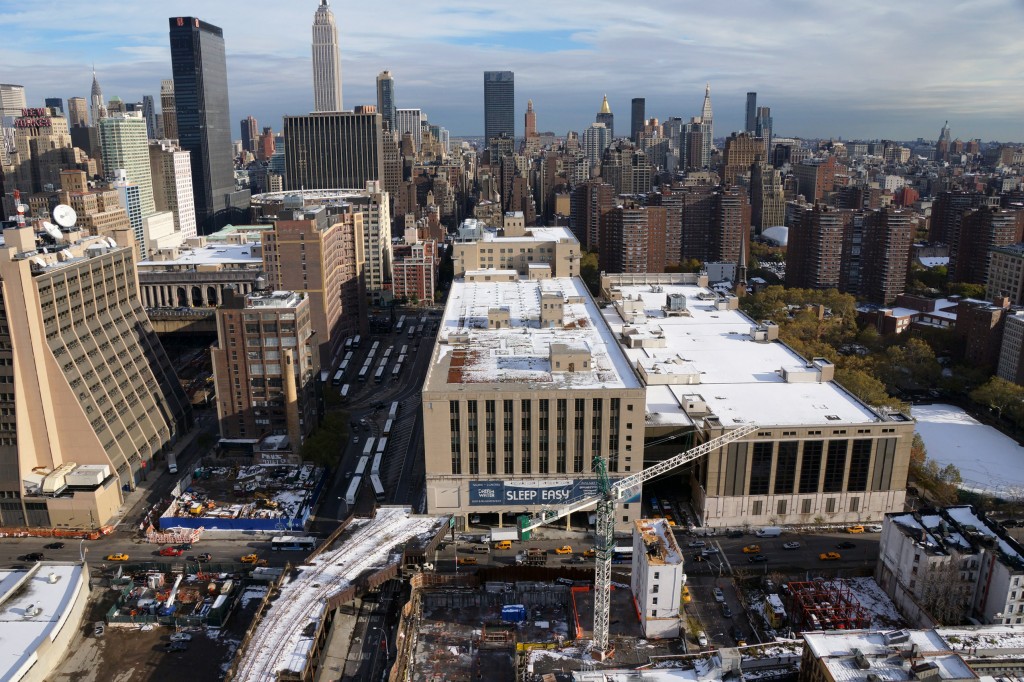
501 West 29th Street, standing defiant

A couple of weeks ago my cousin Antoinette and I took a walk along the High Line. When we arrived at the construction scaffolding that now overstretches the park at 30th Street, I pulled out my phone and showed her the photograph above, which I had taken almost exactly a month earlier from the roof of the Ohm apartment tower on Eleventh Avenue. At the time I thought I was taking a photo of the green roof — now white with snow — atop the Morgan Mail Facility, one of my favorite buildings along the High Line. But when I got home and downloaded the picture I noticed something poignant and surprising that I hadn’t seen when I composed the shot on the windy rooftop: that former tenement at 501 West 29th Street, standing defiant and alone with a huge crane looming above its roof. When Antoinette and I arrived at this spot on December 7, the new construction had already reached beyond the second floor of tenement; it was storming past the north-facing windows of the dwelling’s inhabitants as it went.

A mixed-media artist who’s deeply fascinated by the role of fiction in art, Antoinette immediately thought of Roland Barthes and his book Camera Lucida. That tenement, she commented, is the element Barthes would have called “the punctum”: the detail that jumps out from the main subject of a photograph and surprises us. That tenement is what this photograph is really about: a group of Manhattan residents who apparently said Hell no, we won’t go, even as their windows disappeared and a concrete behemoth rose up beside them.

Below is a photo of 501 W. 29th Street that I took today from the High Line.
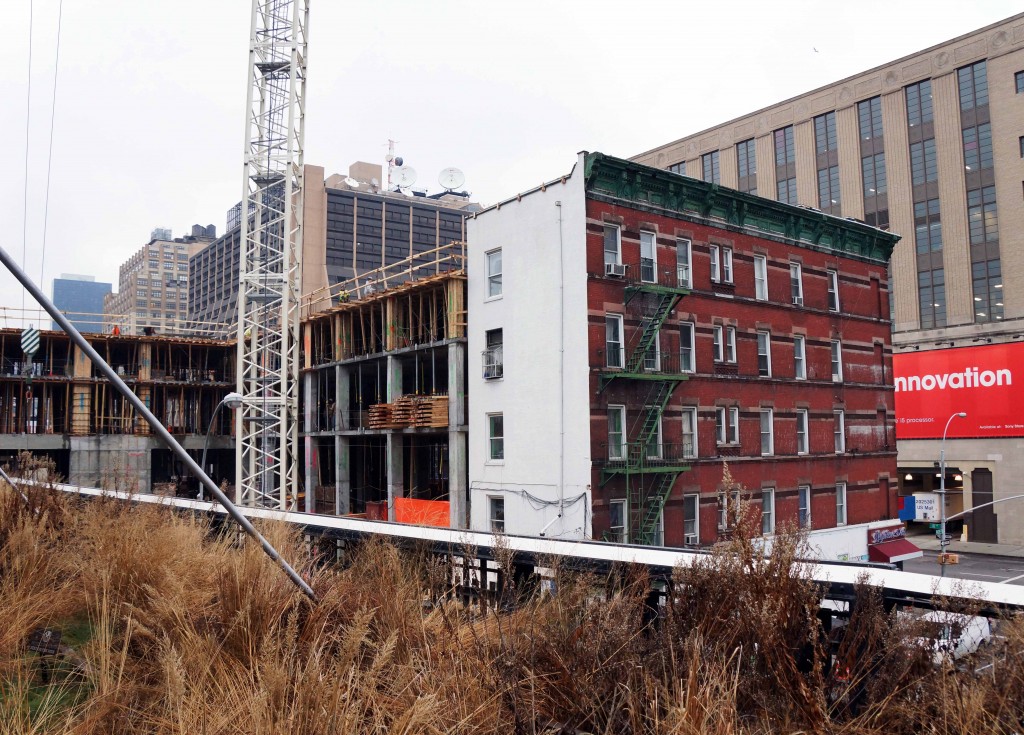
29th Street Tenement on December 17

When I got there, a light was on in the top-floor apartment, which is just hours away from being completely subsumed by the new construction. I found the scene heartbreaking, and what passed through my mind were Romeo’s last words in the crypt: “Eyes, look your last.” Maybe that seems overly dramatic, but my relationship to this place has always been something of a love story, so I’m going to let it stand.

Indeed, this is a dramatic moment in our neighborhood, though it’s by no means a unique one. I walked from stem to stern along the High Line today and counted 11 active construction projects in immediate proximity to the park, meaning I could land a baseball right in their middle of their work space.*

I try to take the long view about the extraordinary pace of change we are seeing in this area. (See here my response to Jeremiah Moss’ controversial piece in the New York Times about the High Line’s role in the changing landscape of West Chelsea.) But Barthes-like, my camera caught another truth hiding in plain sight: the huge advertising banner on the Morgan — the first in an apparent series — speaks to an irony that the residents of 501 West 29th Street surely know best of all. We are not sleeping easy here; on the contrary, this rampant change is what keeps many of us up at night.

I don’t know much about the history of 501 West 29th Street. I suspect that this structure, like so many other 19th century tenements along the waterfront, once housed the families of men who worked in the maritime trades: blacksmiths, ropemakers, riggers, haulers, carpenters. This area was, as Kevin Bone described in his excellent book The New York Waterfront: Evolution and Building Culture of the Port and Harbor, “a horizontal city of pier sheds and terminals, of railroad structures and industrial facilities…It was a gateway village between the metropolis and the sea. For many, this tidewater frontier town was the only New York they knew. It had its own hotels, bars, and brothels, as well as at least one floating church.” There were also iron works, foundries, lumberyards and factories in the blocks around 501 West 29th Street, and buildings like this are where the workers lived. There are still a few former tenements left along the High Line — including two on opposite sides of 17th Street and Tenth Avenue — but they are coming down fast. Some of these buildings have perfectly marvelous architectural details that one never really noticed from the street; today, from the High Line, we can all appreciate what was once a private architectural museum for train conductors of the New York Central Line.

In a 2010 forum about the High Line at CUNY’s Graduate Center the writer Malcolm Gladwell quoted someone who said that a great university is a place with “an engineered capacity for surprise.”  This quality remains, for me, the enduring and abiding joy of the High Line. I visit the park almost every day, sometimes more than once; every time I go there I observe something I haven’t seen or noticed before. Every visit presents some sort of surprise, large or small. Today was no different, except I didn’t love what I was observing for the first time: the fact that you can now hear a constant thrum of construction from one end of the park to another. Even in a city this big, it seems unusual that you could walk for an entire mile and hear — uninterrupted — the sound of building: jackhammers, beeping tractors, scratchy voices emanating from distant walkie-talkies, whistles and toots, the sounds of men barking orders. Up and down the Line, from 30th Street to Gansevoort, this is the unabating soundtrack during business hours.

And yet: birds land on railings and tweet (the old-fashioned way). Babies cry, taxis honk, helicopter rotors whirl. The bells at General Theological Seminary call a community to worship. Yes, the city’s growth overwhelms us; it creeps past our windows and changes the way the light falls in our rooms, and therefore our lives. But as Gladwell also remarked in the CUNY talk, “this is the business we are in.” This is what we do in New York, and in all great cities: we engineer change. We can only hope that the surprises we encounter will be, for the most, meaningful or at least interesting.

In the meantime, get thee to the High Line and appreciate the views that are disappearing so fast.
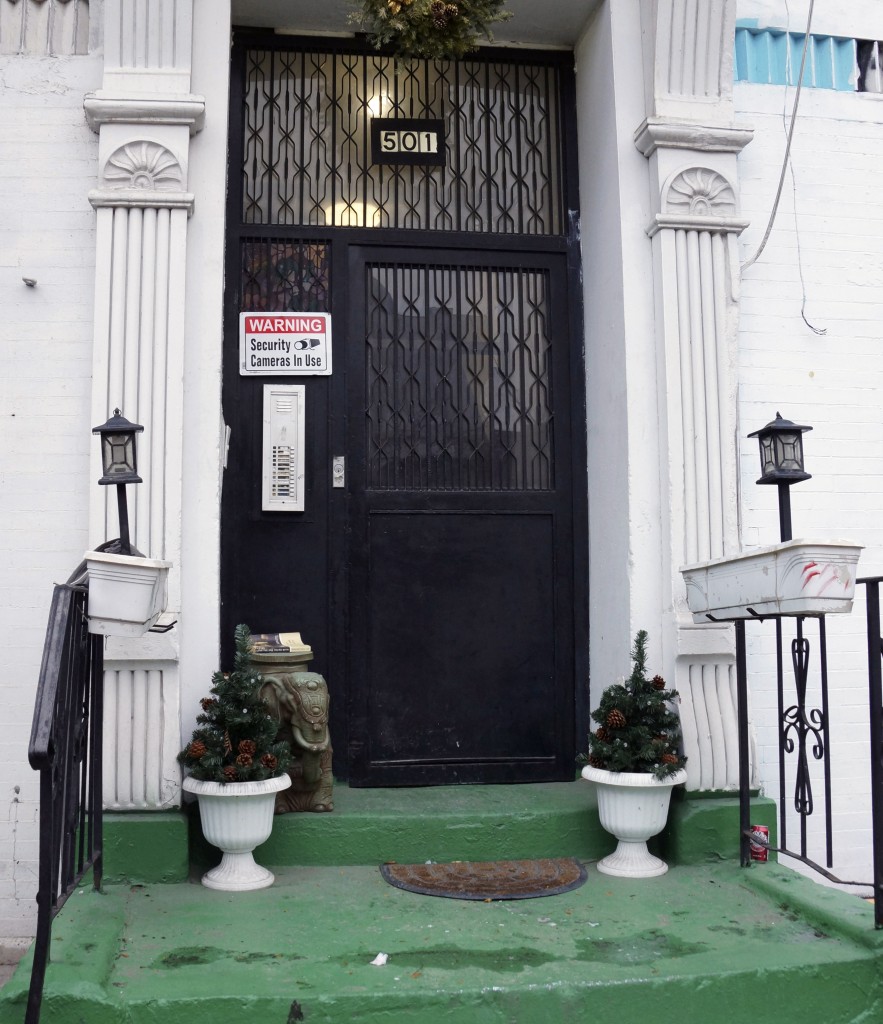
501 West 20th, with a copy of “Love The One You’re With” near the front door


* Note: due to a recent a shoulder injury I’ve had to teach myself to throw lefty, so my range is about 75% of what it used to be, but I DO NOT throw like a girl. In my count I have not included the half-dozen projects that are clearly out of my range: those that are either east of Tenth Avenue, like the new Seminary condos, or closer to Eleventh Avenue, like the one near Edward Tufte’s gallery. But Derek Jeter could hit ’em! Also note: I’m not counting sites that have been cleared and are ready for construction, only those where there are men at work. I counted the Whitney Museum and the new headquarters for Friends of the High Line as two separate projects

Share
{ 0 comments }

Rooftop Artists

“So atop the city that taught the world what modern cities ought to be, there they are, the hoops and staves of the Middle Ages.” — Charles Kuralt

Broken Bridge II + Water Tower

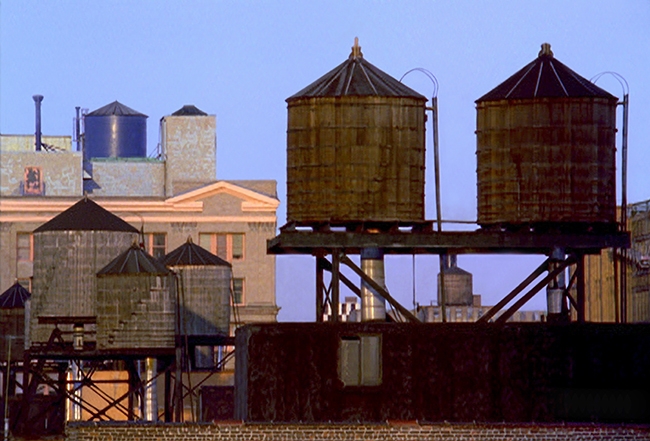
This blog is no danger of becoming LivinTheWaterTower.com, Scout’s honor, but I’ve had such an interesting response to recent pieces about New York’s water towers that I wanted to share what fellow tank enthusiasts have passed along.

I had no idea, until I learned about the Water Tank Project and started paying closer attention, that New York’s water towers have for many years been a source of artistic expression for a wide variety of artists. When the Water Tank Project opens next Spring New Yorkers will have the pleasure of seeing hundreds of tank-inspired works of art on display all over the city, by both established and emerging artists. Until then, here’s a few earlier works to enjoy. I’ll continue to update this list. If you have a work you’d like to tell me about, please email me using the contact form.

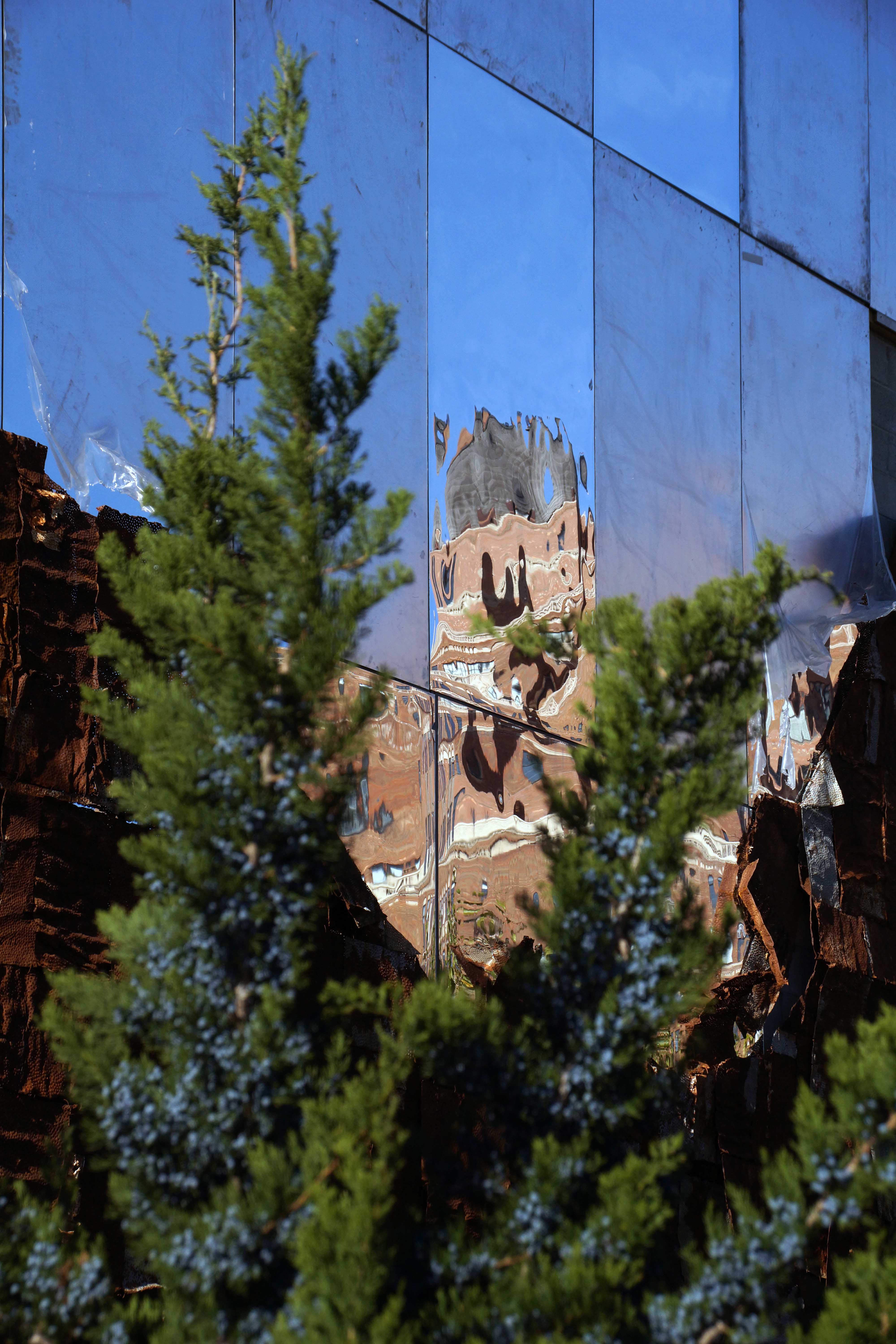
My photo captures the reflection of the beautiful brick structures that house the water tanks of the London Terrace apartments in the pressed tin and mirrors of El Anatsui’s installation-in-progress on 21st Street. The work is called Broken Bridge II and is part of the High Line’s excellent public art program. Read more about it here. I walked the High Line today and, to my delight, noticed this natural, impromptu blending of art + water towers. As always, click the image to enlarge it.

“Silent Sentries,” a short film by Jane Martin

“Silent Sentries,” a short documentary by Jane Martin. The person who wrote to me about this film, which originally aired on PBS about 20 years ago, remembered a Greek chorus of New Yorkers who, when asked what the water tanks were, came up with a host of perfectly ridiculous but often marvelous (in that Only-in-New York kind of way…) answers and speculations. I found Jane Martin on the web and and she very kindly mailed me a DVD of the film. Yes, the comments from our fellow citizens are amusing, but what I loved about this film is the narrative that Martin un-spools. Somehow she managed to find and film the renovation of one water tank — it’s on the West Side, somewhere in the 50s, I think, but it’s hard to know for sure — and her film roughly documents the removal of the existing tank and its replacement with a brand new one. Her shots of the men at work are wonderful — often they seem completely unaware of the camera — and best of all you get the vivid (and sometimes vertiginous) sensation of actually being on the roof of a New York building and seeing the city from the point of view of a water tower. You also get a deep understanding of how these things are constructed. I suppose this shouldn’t have surprised me, but I was fascinated to realize that the water tanks have to be built on-site, they can’t simply be lifted up by a crane and installed ready-made. So while the modern city hums below, these beefy, expert guys practice a centuries-old art on the rooftops above. It’s a vivid and surprising film, and while it’s not currently available for streaming you can contact Jane via this email address about purchasing a copy: SilentSentries@janemartinart.com. For more about the film, visit JaneMartinArt.com.  I hope that PBS will re-air the film next year when the Water Tank Project goes up.

“The Water Tower Player” (“Le Joueur de Citernes”) a film made by French filmmaker Emmanuel Gorinstein. Read my blog post about the film here, or go directly to Vimeo to watch it. Be ready for magic.

Tom Fruin’s Watertower, Dumbo, Brooklyn. Installed June 2012. This sculpture sits on the rooftop of 20 Jay Street and is visible from the Dumbo section of Brooklyn as well as the Brooklyn and Manhattan Bridges, the FDR Drive, and points in Lower Manhattan. The piece is made from reclaimed materials: steel plus roughly 1,000 scraps of salvaged plexiglass in every color of the rainbow, and is part of series of works that pay tribute to architectural icons around the world. The sun lights the piece by day, and at night it’s lit by Arduino-controlled light sequences designed by Ryan Holsopple. Read more about it and see gorgeous photos — shot in daylight and at night — on TomFruin.com.

Rachel Whiteread’s Water Tower, SoHo, New York. According to the Museum of Modern Art’s website, British artist Whiteread was commissioned by the Public Art Fund in 1998 to create this work of public art, and she “scoured the city in search of a quintessentially New York subject.” Like many artists, she looked up and saw water towers, and conceived this sculpture, which is a resin cast of the interior of a once-functioning cedar water tank. According the MoMA website, “The translucent resin captures the qualities of the surrounding sky; the sculpture’s color and brightness change throughout the day and it becomes a near-invisible whisper at night.” Whiteread has called the work “a jewel on the skyline of Manhattan.” The sculpture now sits on the roof of MoMA, so you can check it out yourself next time you’re there. Read more and see a photograph on MoMA.org.

Share
{ 0 comments }