≡ Menu

The Friendship TrailBridge in Tampa/St. Pete

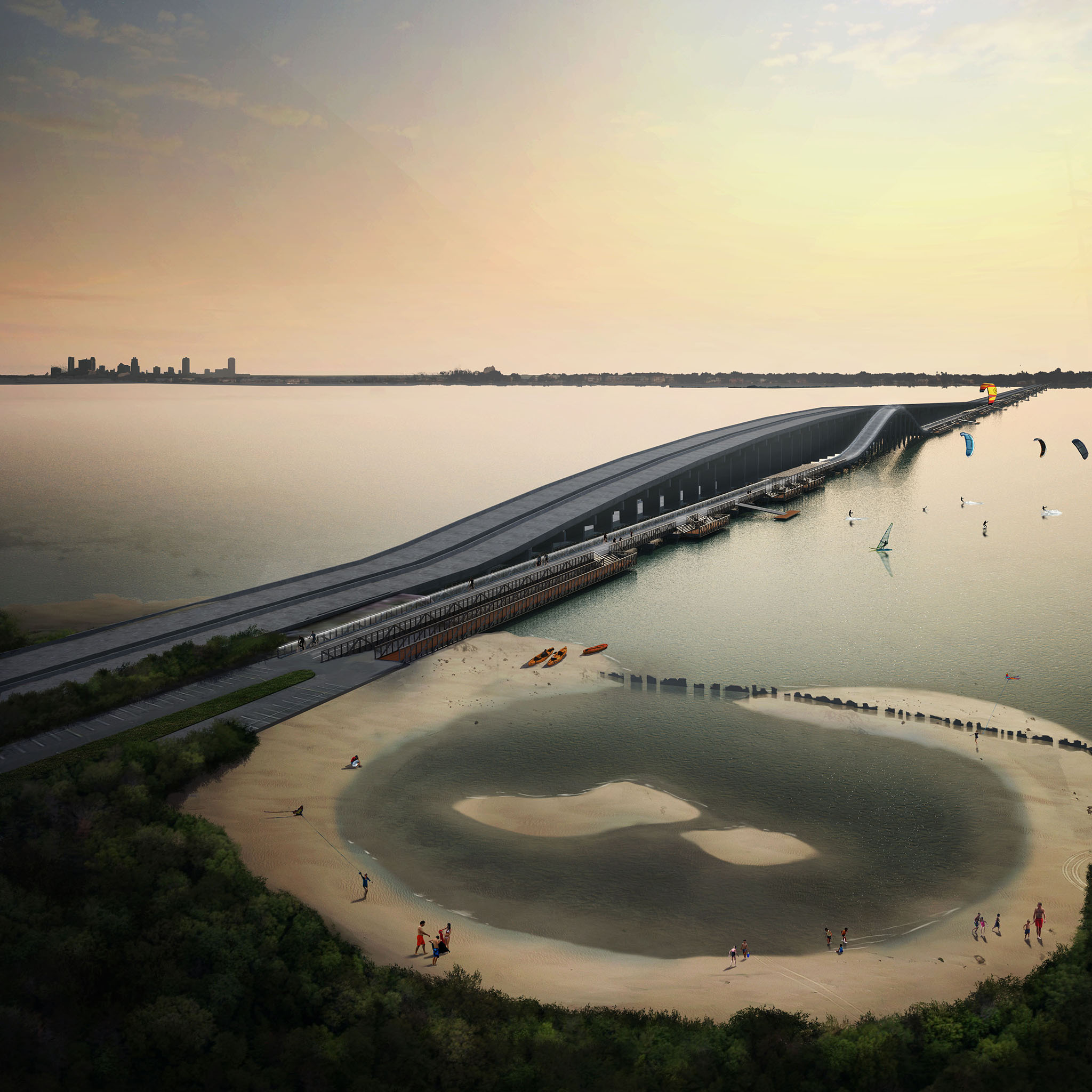
Conceptual Rendering provided by ASD w/ Gordon Tarpley of Studio AMD

I’ve just learned about an Urban Greenway project that’s making great headway in Florida: the Friendship TrailBridge. This is a project with a long and interesting history that goes back to 1924 and includes two separate grassroots preservation campaigns.

For almost ten years there was a pedestrian bridge here, crossing the Bay and connecting Tampa with St. Petersburg. It was closed in 2008 due to structural concerns, and almost torn down earlier this year. Today, a group is fighting to transform the old Gandy Bridge into a world-class linear park across the water — the longest pedestrian bridge in the world. Read more about it, and see historical and contemporary photos plus renderings for the future park in the Urban Greenways section.

Share
{ 0 comments }

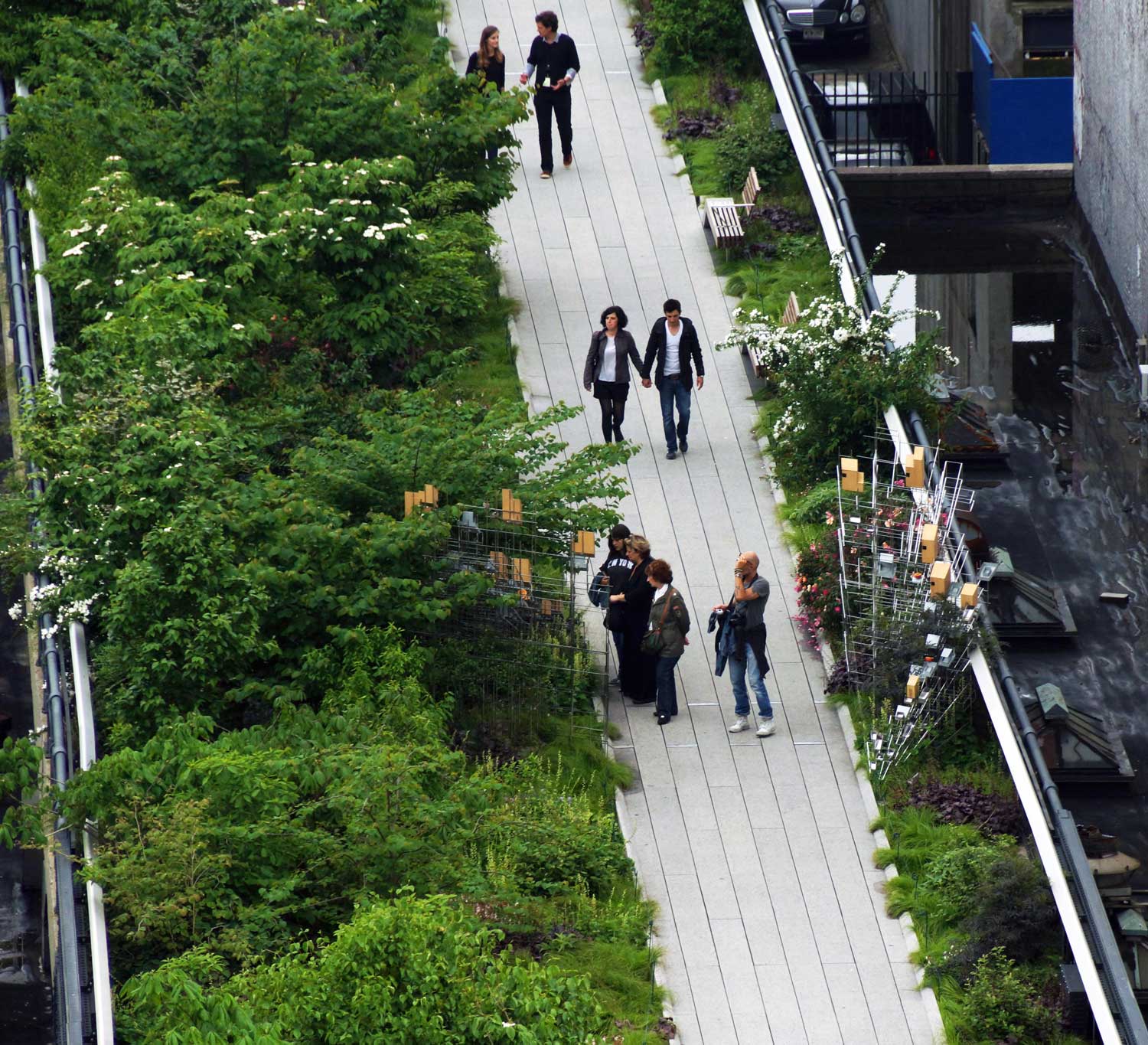
Arial view of Sarah Sze's "Still Life With Landscape"

Last week I received an email from a high school student in Bangladesh named Tinni Bhattacharyya. There, nearly 8,000 miles from 21st Street on Manhattan island, she has launched a campaign to make Sarah Sze’s sculpture “Landscape With Still Life” a permanent fixture on the High Line.

Tinni created a Facebook page for the campaign, where she writes:

Sze’s installation has become an integral part of the Highline’s ecosystem. Sze’s installation has evolved from an architectural frame to an organic living environment that is embedded in the ecosystem. While “Still Life with Landscape, Model for a Habitat” has been scheduled to be taken down on June 8th 2012, this campaign has been launched to preserve Sze’s piece in order to support the community of animals it has founded.

Tinni was born in New Delhi, but her father is a diplomat and so she grew up all over the world — in Belgium, China, Japan, and now Bangladesh. She first saw the High Line last summer when she was interning in New York. She told me that she had the opportunity to spend some time working in Sarah Sze’s studio, where she witnessed the process behind the creation of Sze’s pieces and came to understand the concepts the artist explores in her work. Tinni is motivated by the beauty of the artwork as well as its success as a habitat for many kinds of birds and insects. And her campaign is well underway; the Facebook page is fast accumulating comments, photos, and Likes.

I hope that Tinni succeeds. “Still Life With Landscape” is one of my favorite exhibits in the High Line’s public art program. Its Palladian lines and geometric shapes are strikingly, quietly, beautiful and even more, it brings the birds close to us, just inches away. In a big city with too many humans, this is a small blessing.

For more about Sarah Sze, visit the artist’s website. Go here to learn more about the High Line’s public art program. Join Tinni’s campaign on Facebook, here.


Share
{ 0 comments }

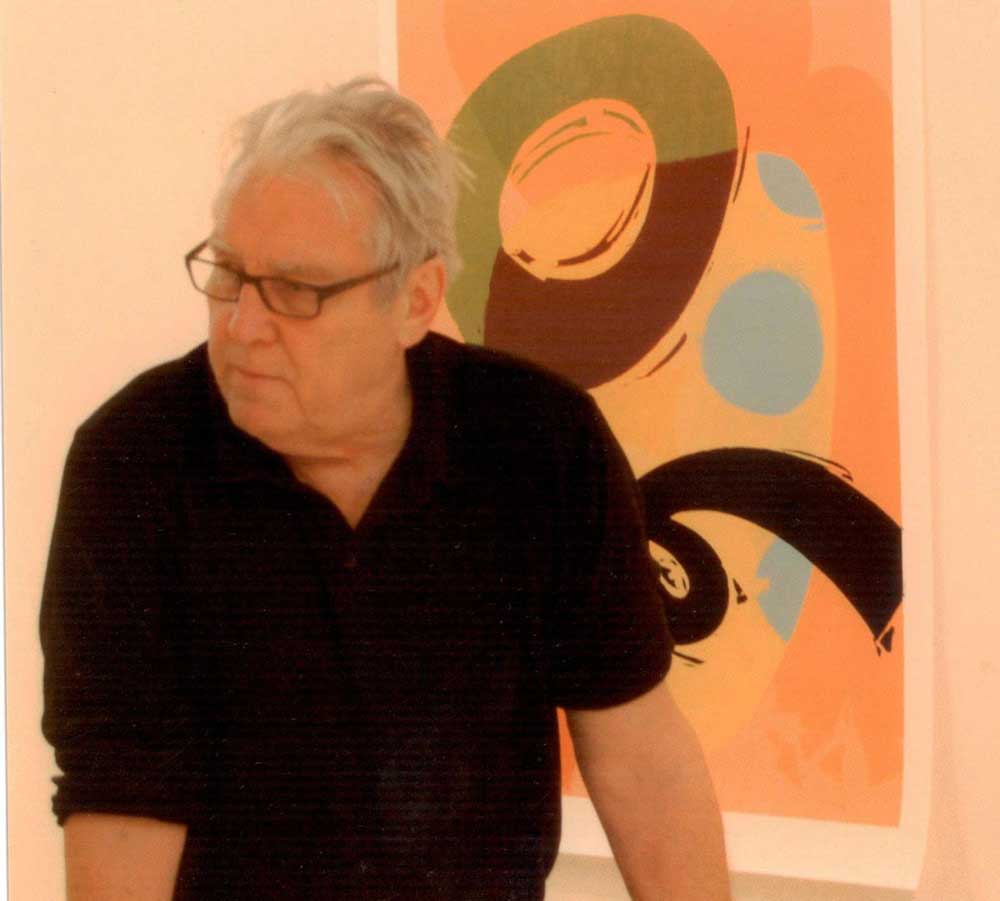
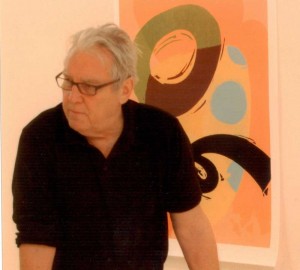
Charlie Hewitt. Image courtesy of Greenwich Arts Council

One of my favorite things about the High Line is the presence of public art throughout the year, in every season and in every form, media, and style.  Friends of the High Line committed itself from the very beginning to introducing the work of new artists as well as established ones, and the program — first run by Lauren Ross and today by Cecilia Alemani — has won awards and immense popularity from visitors.  The neighborhood the park traverses has long been a vibrant center of the arts, with visionary institutions — The Kitchen, Dia Art Foundation, Printed Matter, Exit Art — as well as hundreds (more than 400 at last official count) of commercial art galleries. The Whitney is building a new home, designed by Renzo Piano, at the southern end of the High Line, and Dia is constructing a large new exhibit space on 22nd Street. When those two projects are completed, the High Line’s neighborhood will arguably be the most important concentration of contemporary art in the United States.

The influence of the High Line’s art program will soon be visible in a new venue. On Mother’s Day the luxury rental complex known as Ten23, between 22nd & 23rd Street on Tenth Avenue, will install a piece of sculpture by the artist Charlie Hewitt. Called “Urban Rattle,” the work will stand some 20′ high in the center of the building’s patio, just below and on the eastern edge of the park. Hewitt is an American artist (born 1946) whose work includes paintings, sculpture, engraving, woodcuts, print-making and other media. His work has been acquired for collections in the Metropolitan Museum of Art, MoMA, the Whitney, Brooklyn Museum, New York Public Library and the Library of Congress.

Emily Santangelo, the art consultant who arranged the project with Equity Residential, the building’s owner, describes it as “the first privately commissioned monumental sculpture to directly address the High Line and its community of visitors.” She says that Hewitt considers his work to be “doodles in steel,” and describes “Urban Rattle” as “playful and serious at the same time.” This seems a perfect combination, as the work will hover over the High Line’s lawn, a place of mixed use where children run, leap, and often screech with joy while adults read or engage in quiet conversation.

If you’d like to watch the installation, it will take place over the weekend, beginning on Saturday, May 12 and ending on Sunday afternoon. I’m told that the members of the FDNY’s (controversial) EMT station under the High Line will be lending a hand as the steel structure is unloaded and carried up to the patio.

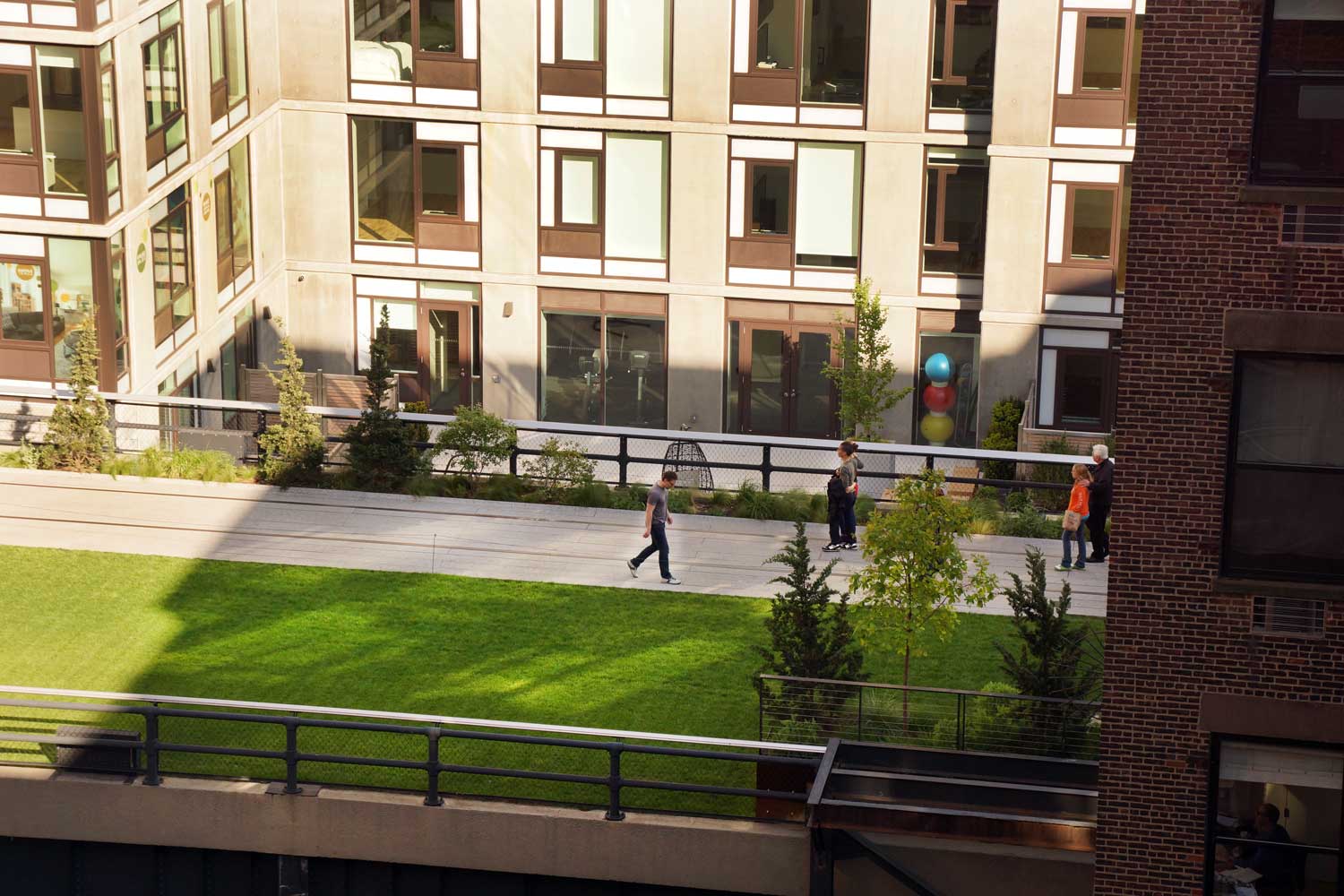
As readers of this blog know, I documented the progress of Ten23 for almost three years as I was writing about the construction of section two of the High Line. The lawn — and the apartment complex — appear just outside my window, and were built in tandem. Photos of Hewitt’s piece will follow in a week or so. Meantime, here’s what it looks like today:
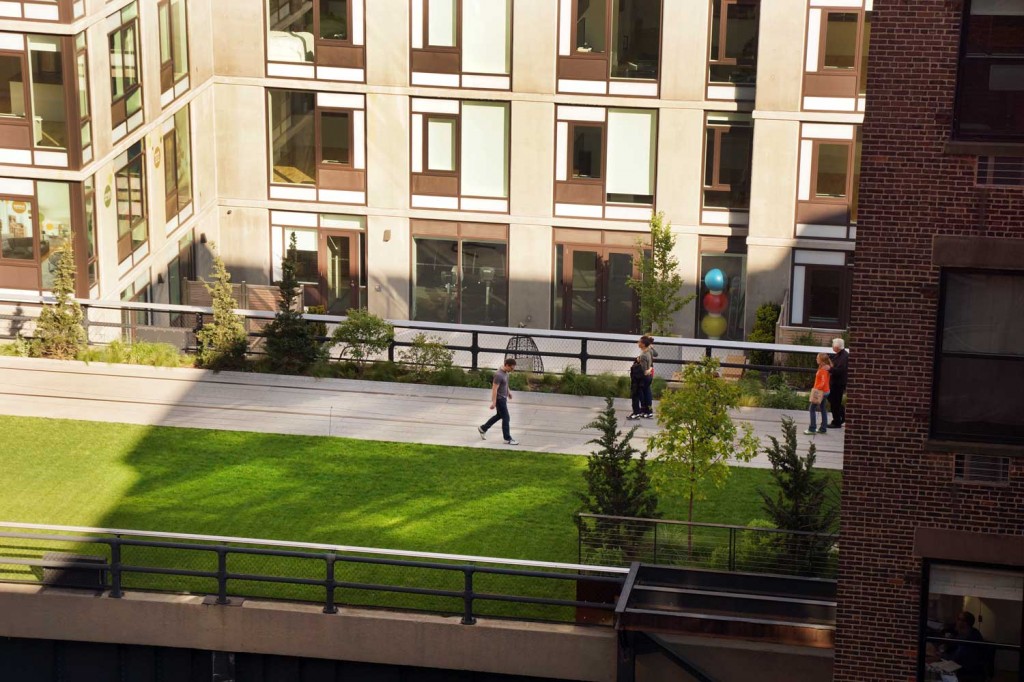
The High Line's Lawn and the Patio at Ten23

To learn more about the High Line’s public art program, visit the website of Friends of the High Line. To learn more about Charlie Hewitt, visit the author’s website or EmilyFineArt.com.
Share
{ 2 comments }

Barbie on the High Line

Sarah Sze’s “Still Life with Landscape” is one my favorite exhibitions on the High Line. As readers of this blog know, I tend to get sentimental about certain exhibits, notably Stephen Vitiello’s “A Bell For Every Minute,” which I still miss. But the point of the public art program is that new works continually appear, and in order for that to happen, old favorites have to come down.

Sze’s work has been attracting birds, butterflies, bees, and humans in huge numbers since it debuted on opening day of section two last year. Even the occasional dog stops by to have a sniff (see photo gallery). Barbie selected Sze’s piece from all of New York City’s landmarks as the location for her latest fashion shoot.

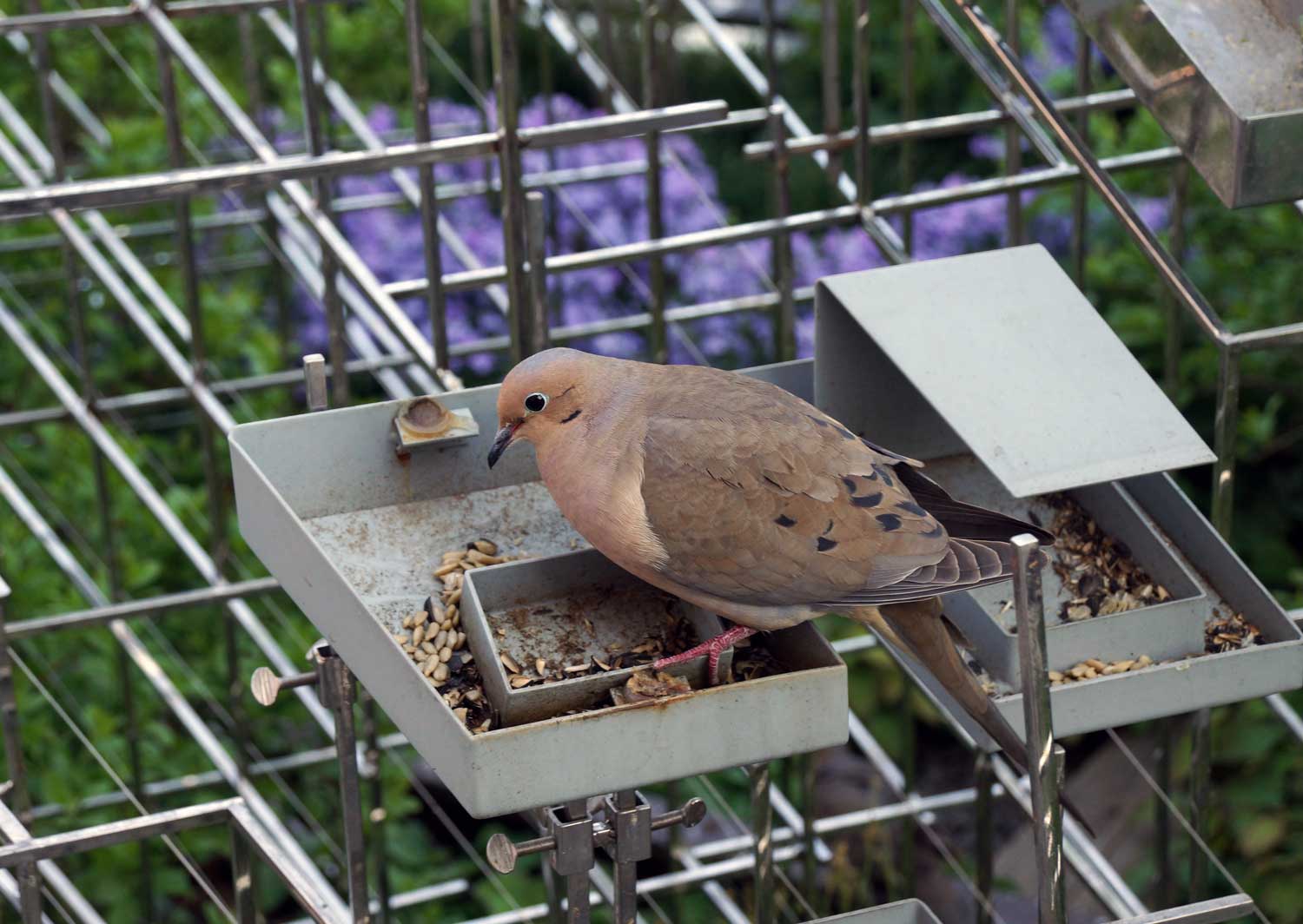
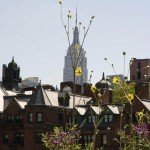
I’ve been photographing “Still Life” all year, jostling amongst the many tourists who stop, in surprise and delight, as soon as they reach it. I love the architectural quality of this piece; it makes the perfect bird feeder, but it also frames several standout buildings with its boxy pattern of steel girders:  London Towers, General Theological Seminary, the Empire State Building, the Guardian Angel Church.  Most wonderful of all, it brings the birds up close. Even New York’s pigeon population — normally happy to perch on a prosaic lamppost — has discovered Sze’s work, along with the sparrows, mourning doves, and other feathered friends.

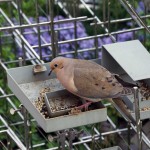
Mourning Dove

The piece comes down at the end of June, so be sure to pay a visit between now and then. To learn more about Sarah Sze and her work visit SarahSze.com. Check out the gallery to see more photos.

Share
{ 0 comments }

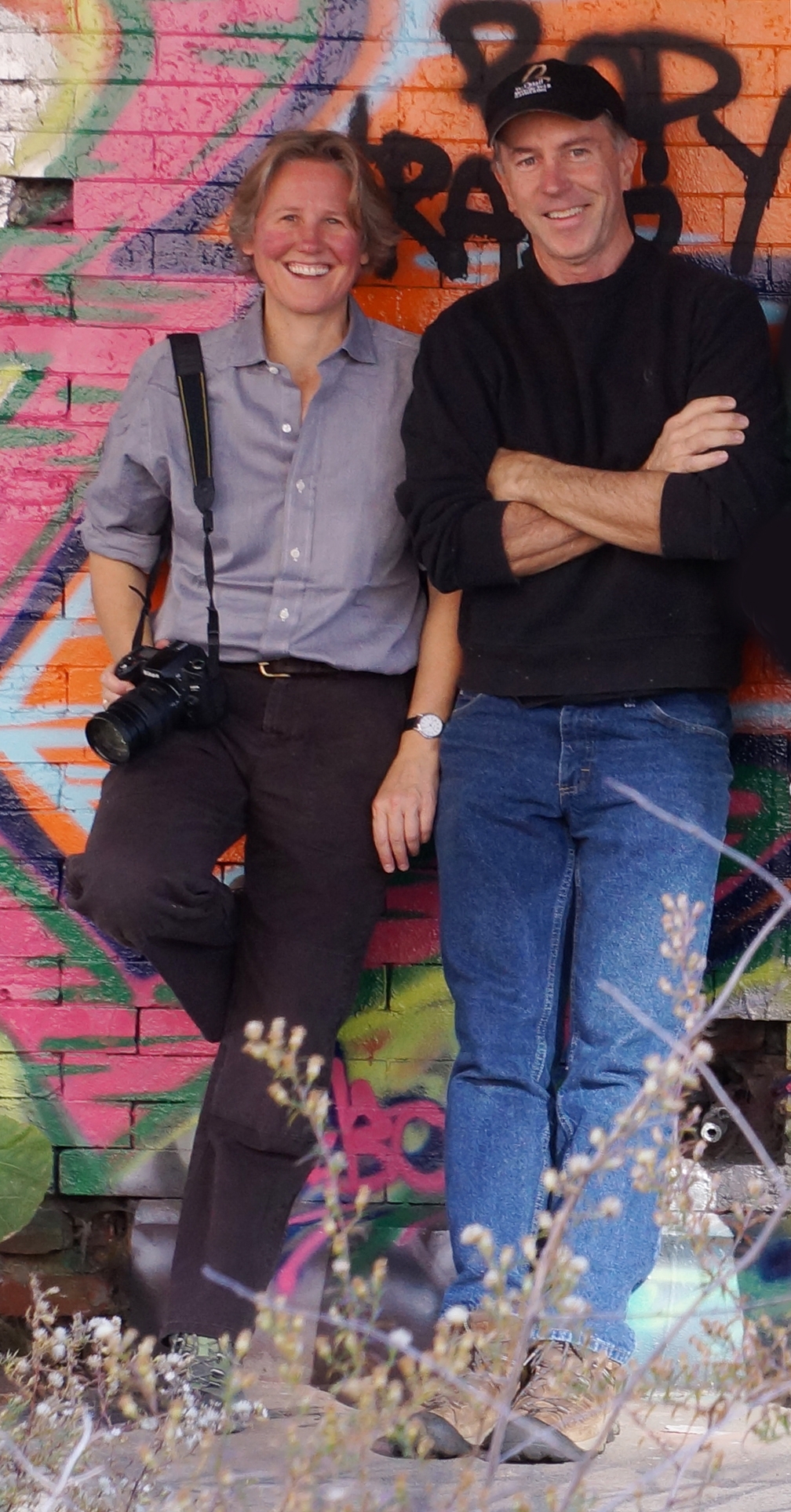
Annik La Farge & Rick Darke on the Reading Viaduct in Philadelphia. Photo: Rick Darke

On July 11 my collaborator and friend Rick Darke and I are giving a special walking tour of the High Line. Rick is a renowned landscape ethicist, writer, horticulturist and photographer; he has been photographing and writing about the High Line since 2002, and contributed the preface, several short pieces and a number of photographs to my upcoming book On the High Line: Exploring America’s Most Original Urban Park.

As we walk we’ll talk about the history of the neighborhood — the railroads and port, industry, culture, architecture — and the beautiful “park in the sky” that has become a magnet for visitors from around the world. Rick’s expertise in horticulture and landscape ethics will make this walk a special opportunity to learn about the High Line’s design and its multilayered landscape. If you’re interested in photography, spending time with Rick on the High Line presents a golden opportunity to learn about ways to shoot the park in new and original ways.

Sign up at TheHighLine.org. The walk begins at 6:30 pm on Wednesday, July 11, and will last an hour. Tickets are $15 ($10 for members of Friends of the High Line) and all proceeds help fund the High Line, both today and in the future. The meeting location will be provided in the confirmation email.

On the High Line is available now. Go here for a list of retailer links. To learn about how the High Line went from abandoned railroad to award-winning park, read Joshua David and Robert Hammond’s excellent book High Line: The Inside Story of New York’s Park in the Sky.

See you on the High Line!

Share
{ 0 comments }

Detroit’s Urban Greenway

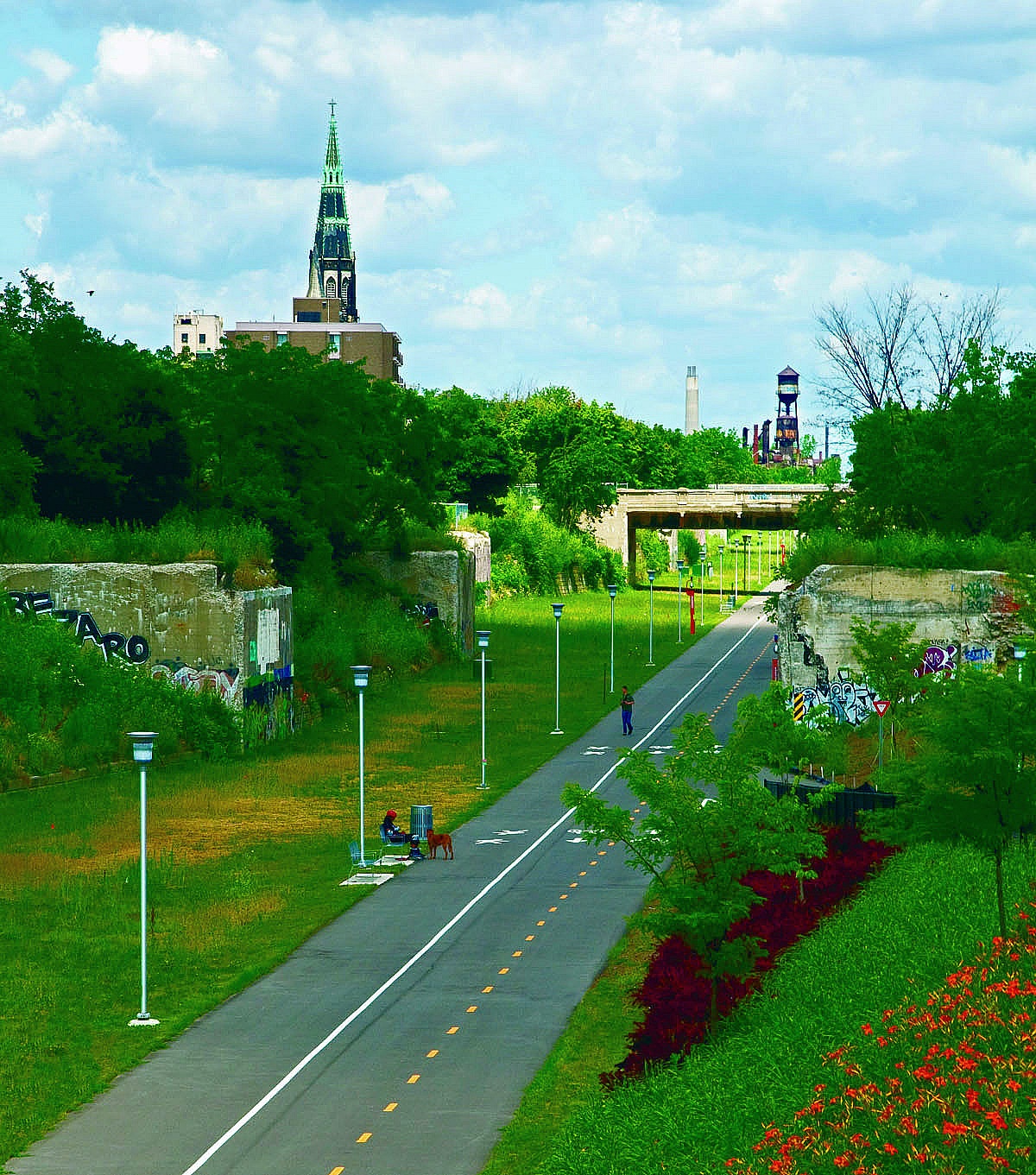
The Dequindre Cut Greenway, Detroit. Photo: Ara Howrani

In May 2009, just a few weeks before the High Line was completed, the Dequindre Cut Greenway opened in Detroit. Joggers, promenaders, cyclists, kids in carriages, rollerbladers — just about anyone who wanted to enjoy the outdoors — suddenly had a new open space to wander and frolic. There are many similarities to the High Line: a former abandoned railway, this one a Grand Trunk Railroad line constructed in the 1830s, that serviced factories and industry in the center of a major city. Graffiti. Wild plant life. Water towers in the distance.  A 1.35 mile greenway that connects riverfront, markets, and residential neighborhoods. A public/private partnership. A work in progress. To read more and see additional photographs, visit the “Urban Greenways” feature.

Share
{ 0 comments }