≡ Menu

Shadowcaster

NOTE: this posted has been updated

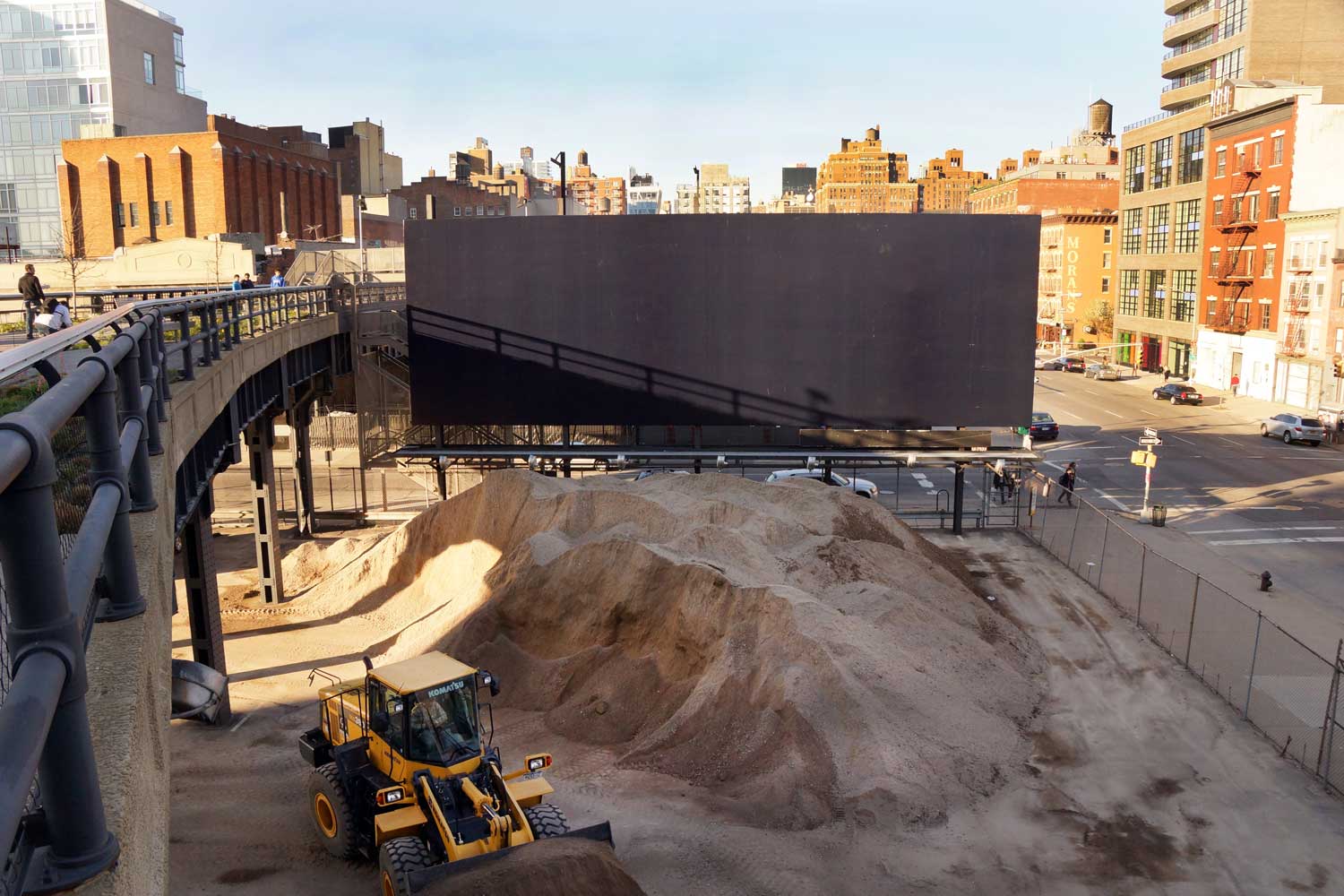
The billboard on 18th Street has probably been empty before, but I’ve never seen it, and certainly not as it is now, starkly black. It’s really quite striking: it shows an absence of advertising, which makes you consider what life might be like if we weren’t bombarded at every turn with ads and marketing promotions. This is the billboard that has displayed so many wonderful photographs as part of the High Line’s public art program (launch the slideshow below to see photos). When there’s not a beautiful or provocative image — like Anne Collier’s “Developing Tray,” which was on display in February — there’s often some humorous message from Edison Parking, which owns the lot below. My favorite: “Stop praying, God’s too busy to find you a parking space.”

Today, however, the billboard is empty. Last evening men in large machines were removing the giant pile of dirt that was part of a car company’s recent marketing stunt. Whatever. What’s cool about the billboard today is how the inky black background invites a lovely shadow of the High Line’s railing. If you stand there for awhile and watch the people walk by you’ll eventually see their shadow heads pass in the billboard, as if in a cartoon. Art often reflects our world and returns it to us in a different, altered form, for our consideration. In a way that’s what this empty billboard is doing now. There’s something blissfully simple and peaceful about it.  Check it out in the late afternoon when the sun casts its shadow and you’ll see what I mean. Enjoy it while it lasts. No doubt it won’t be long before the advertisers return.

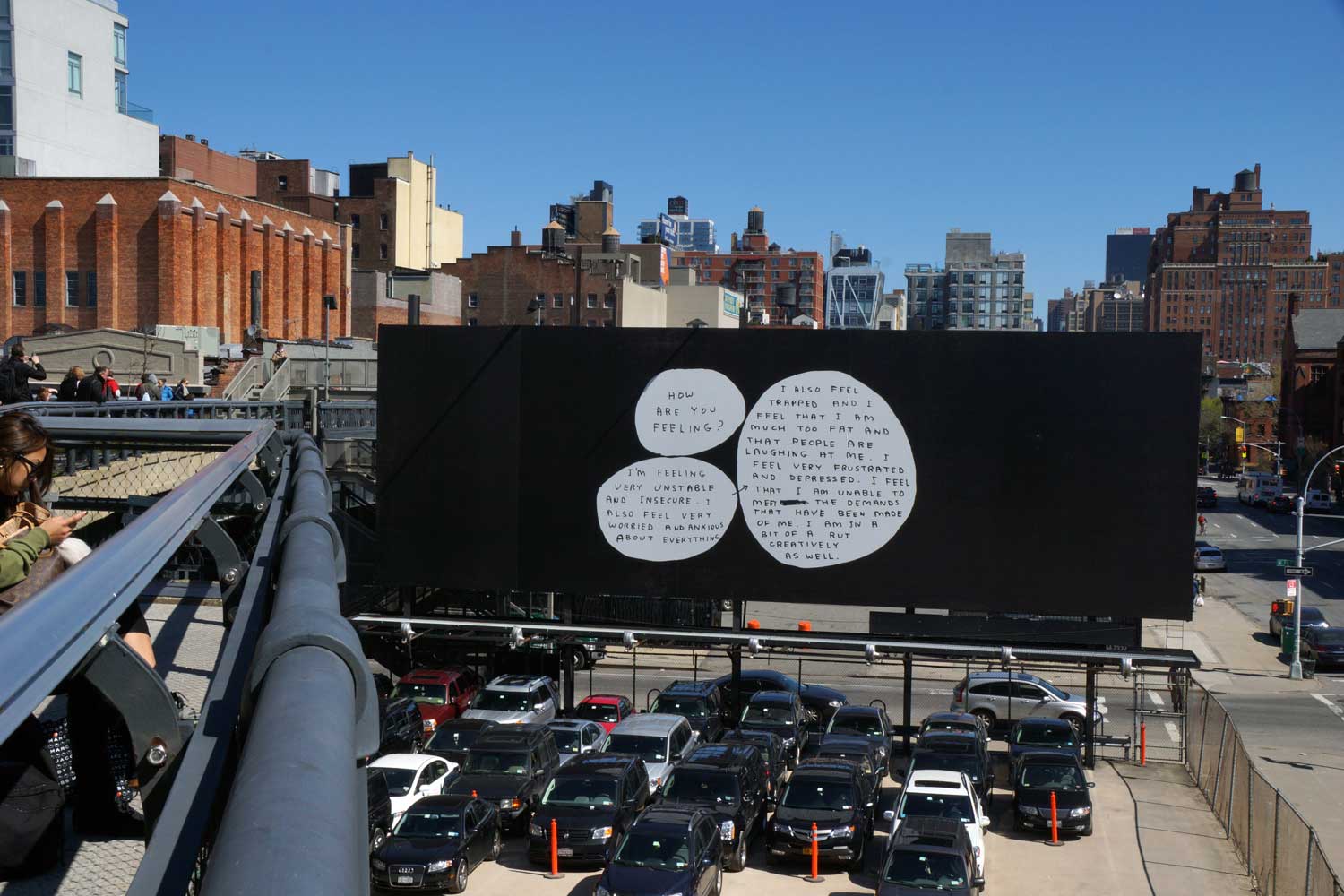
UPDATE, April 6: shortly after I wrote this post the newest installation in the 18th Street Billboard art project was completed. It’s called “How Are You Feeling?” by David Shrigley. I took my photo in late morning sun, so no shadows, but I suspect you may still see them in the late afternoon against the black background. Read more about the piece and the artist here, on TheHighLine.org.

David Shrigley, "How Are You Feeling"?

Share
{ 0 comments }

The Choreography of the Cutback

Over the years there have been zillions of articles about the High Line Spring Cutback (including several on this blog), but until today I didn’t have a clue what a complex and coordinated operation the whole thing is. This morning I had the great privilege of watching and participating in Act II of the Cutback: removal of the clippings from Manhattan island and their transport to the Fresh Kills landfill on Staten Island, where they complete the circle of their natural life and become compost for someone else’s garden.

It is an amazing piece of choreography that takes place every week after the volunteers have put down their clippers. What was most remarkable to me is how this group — the extraordinary gardening staff of Friends of the High Line — works together so smoothly and easily each step of the way. Like they do it every week!

Here’s how it goes.

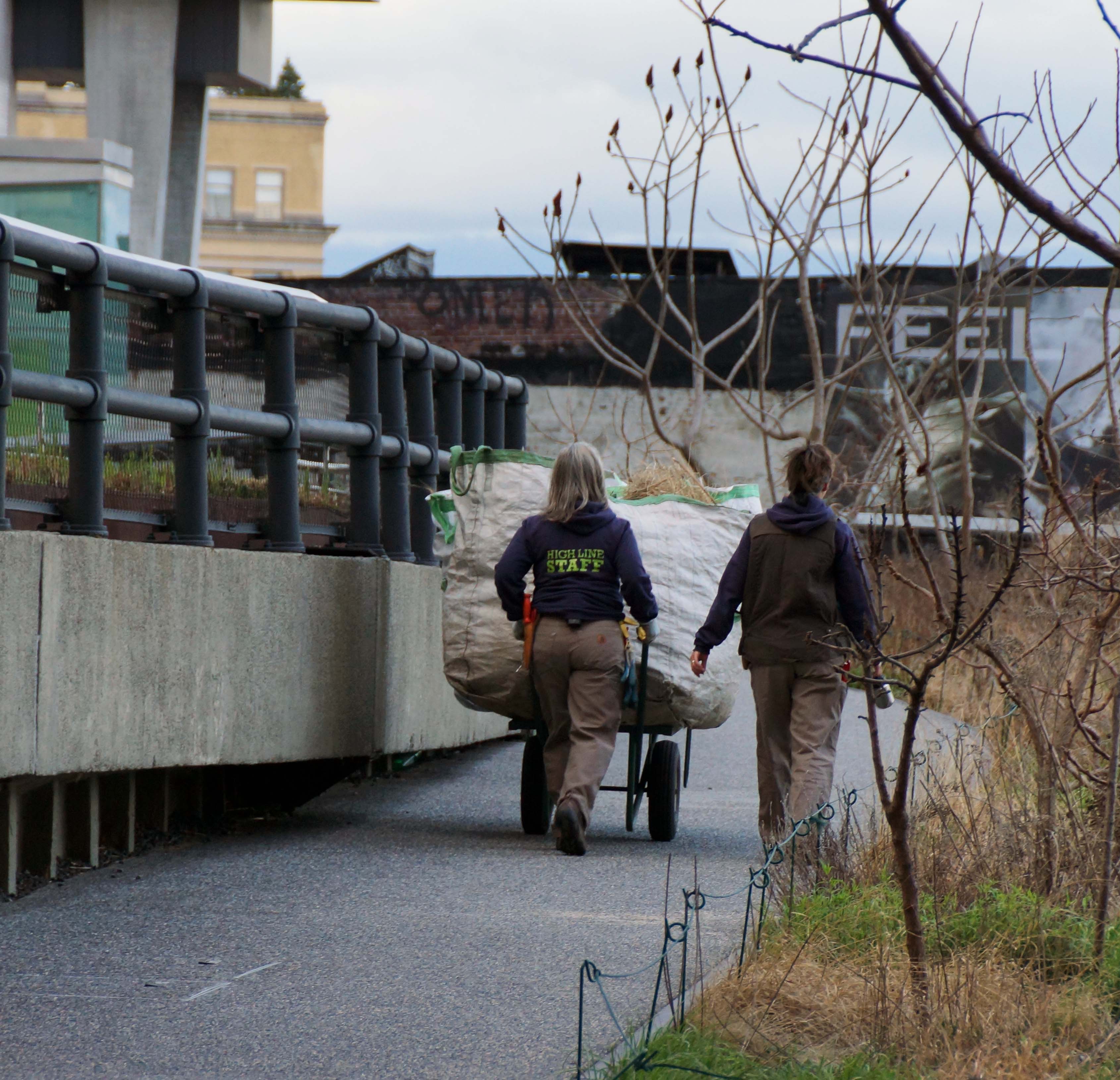
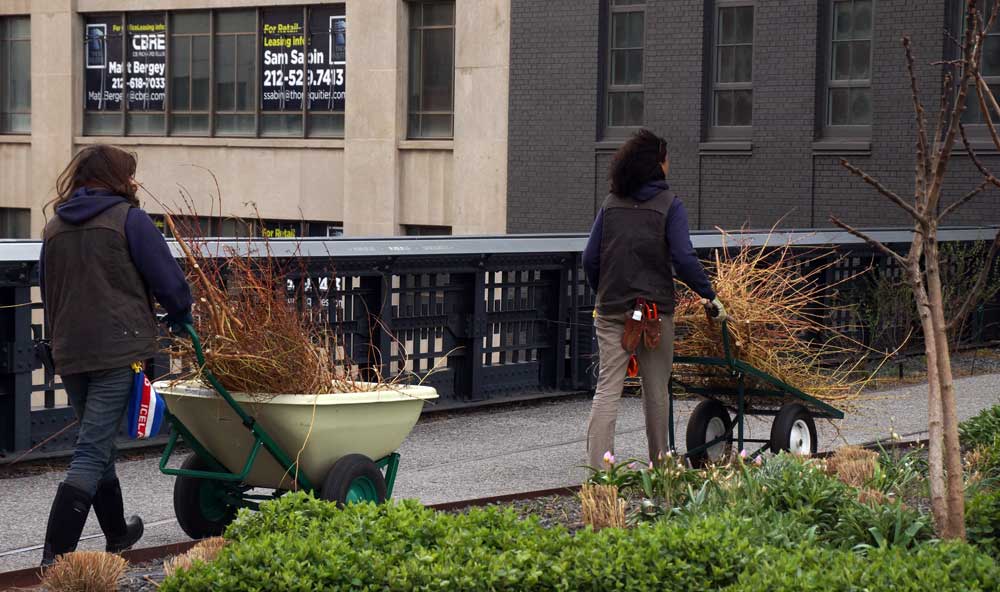
First: huge bags that the Cutback volunteers and gardening staff have filled with clippings throughout the week are loaded onto hand trucks and transported through the High Line’s bog to the 14th Street elevator.

Giant bags loaded with clippings head south along the bog

Sticks, branches, etc. are carried out separately.

Loads of branches and sticks

Thirty-some bags neatly line West 14th Street. (Bringing back memories of Madeline:  “Thirty-three bags in two straight lines; They left the Line at half past nine….). As it turns out, there are a few too many bags to fit inside the panel truck, so three or four will make a rare trip back up the elevator to the Southern Spur and cool their jets for another week before moving along to Staten Island. [continue reading…]

Share
{ 0 comments }

Meanwhile, back at the cutback…

Looking north from 18th Street

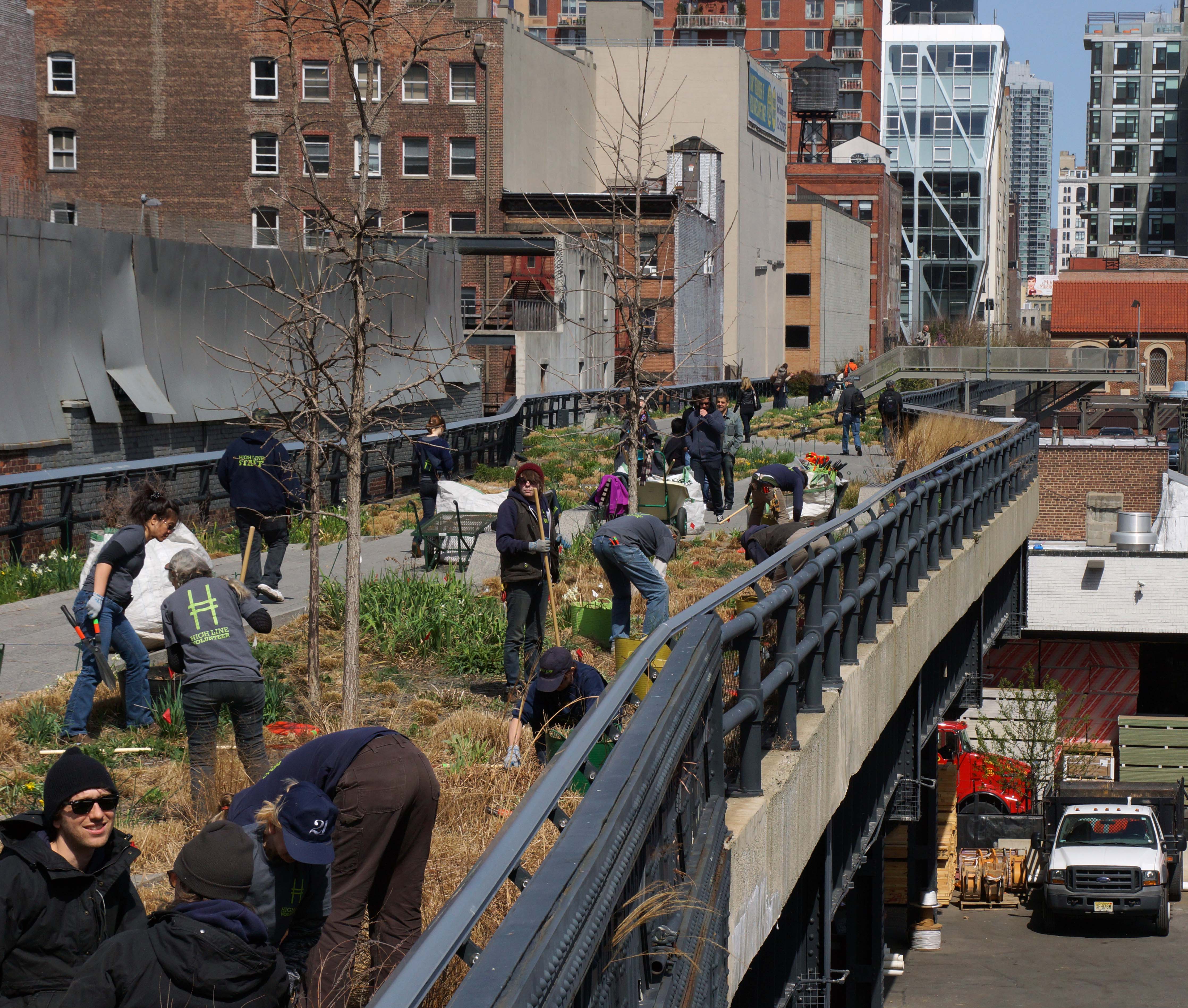
What a way to spend a morning. Or a lunch hour (which, in New York, is two hours minimum). If you’re still at your desk on these beautiful, crisp and occasionally downright hot days, you’re missing something great: working with clippers on the High Line.

Just about every day dozens of volunteers are out there, cutting back the grasses and dead stalks that are Piet Oudolf’s signature. Oudolf, the Dutch planstman who designed the park’s horticultural plan, once famously told a reporter that “brown is a color.” Here on the High Line, unlike so many other gardens around the world, the plants are left alone during the winter, and they present an always interesting landscape of different shapes and textures: spiky, smooth, straight, twisted, standing at attention, weeping in a corner. There’s lots of brown for sure, but also other colors: blazing yellow witch hazel, pale green Corsican hellebore, silver leaves on little bluestem grass, red berries on holly trees.

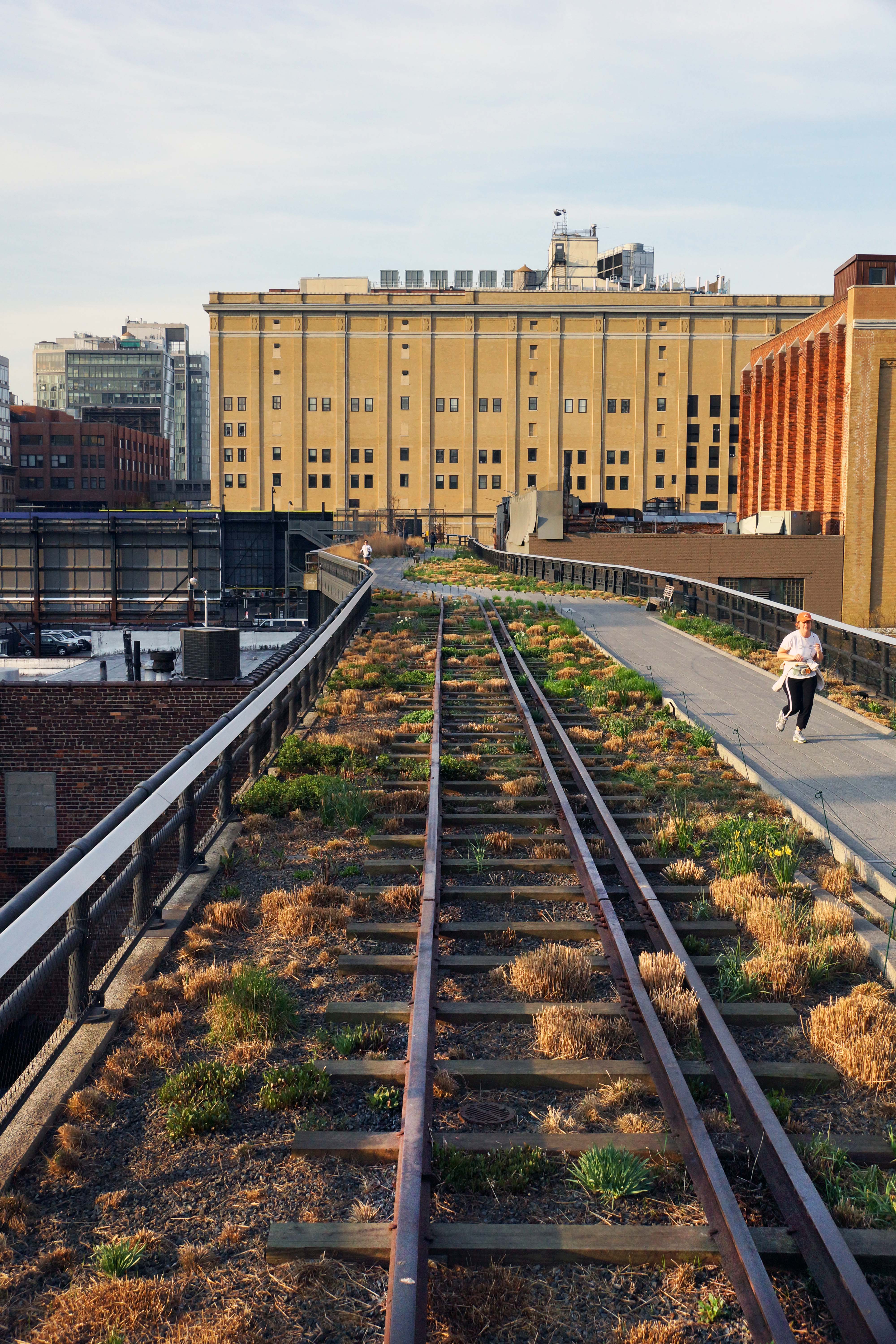
In Spring, the whole place gets a haircut, and it takes a village. It’s a wonderful way to pass a few hours: clipping, hauling, scraping, cleaning. Unlike that meeting you just attended where everybody jawboned and nothing really happened, you can watch your progress as you go: whole swaths get cleared away and suddenly, with the dead matter gone, the rails stand out as clear as day.

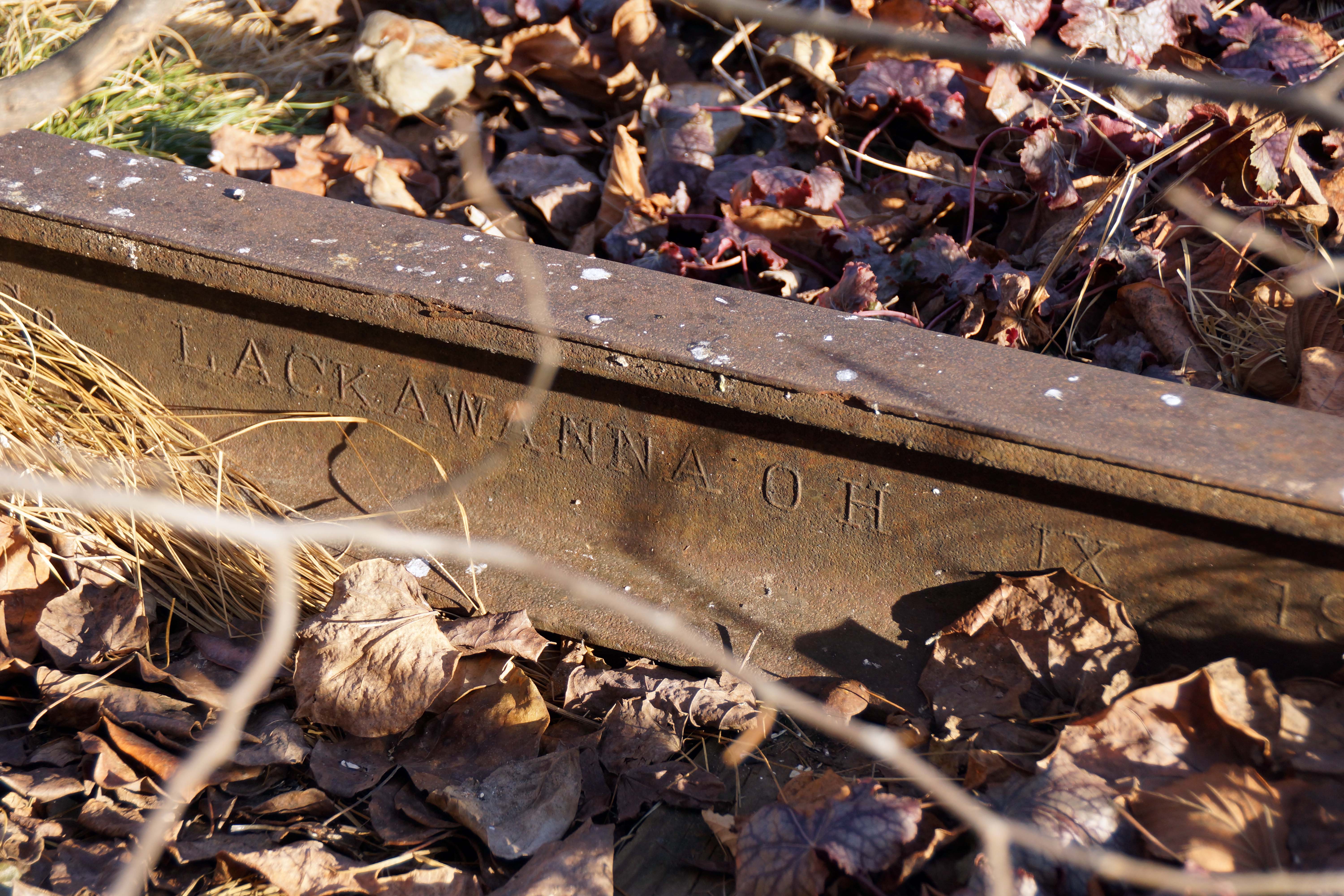
Lackawanna 1926, Chelsea Grasslands

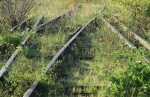
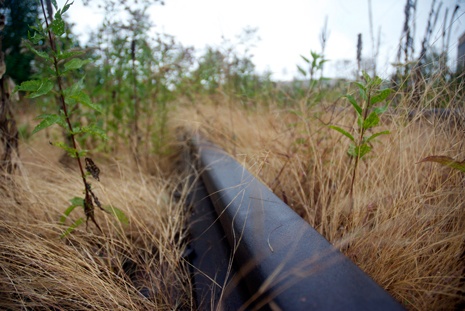
Every year the Spring Cutback is the most vivid reminder we have that the High Line was once a working railroad. When I was there on Monday, clipping and clearing around a set of old tracks in the Chelsea Grasslands, I was reminded of how Isabel Church, wife of the landscape painter Frederic Church, called the Catskills “the shy mountains” because they were so often hidden by clouds and invisible to the many visitors that the Church’s received. Here in Manhattan we have the shy rails. Over the course of the year, beginning in spring, the grasses, shrubs and perennials take over, and the tracks begin to disappear under all the new growth. But today, and for the next month or so, you can see them boldly running up and down the entire extent of the park. Look closely and you’ll see the name of a railroad and year the track was manufactured stamped into the steel: LACKAWANNA OH 1926 is lurking somewhere between 18th & 20th Street.

Looking south from 20th Street

If you missed the Cutback this year, put it on your calendar for 2013. We all know about the irksome inevitability of death and taxes; the happier thing to count on is rampant, glorious, unruly plant life on the High Line. In addition to spending time working outdoors in the big city you’ll also get the chance to hang out with Friends of the High Line’s incredibly great gardening staff. They’re among of the most knowledgeable, patient, cheerful, hard-working people I’ve ever met. I know I speak for many volunteers when I say that working alongside them feels more like a privilege than a task.

After a day of the Cutback you might have an aching back, but a full heart is guaranteed.

Share
{ 0 comments }

The Falcon and the DEA Man

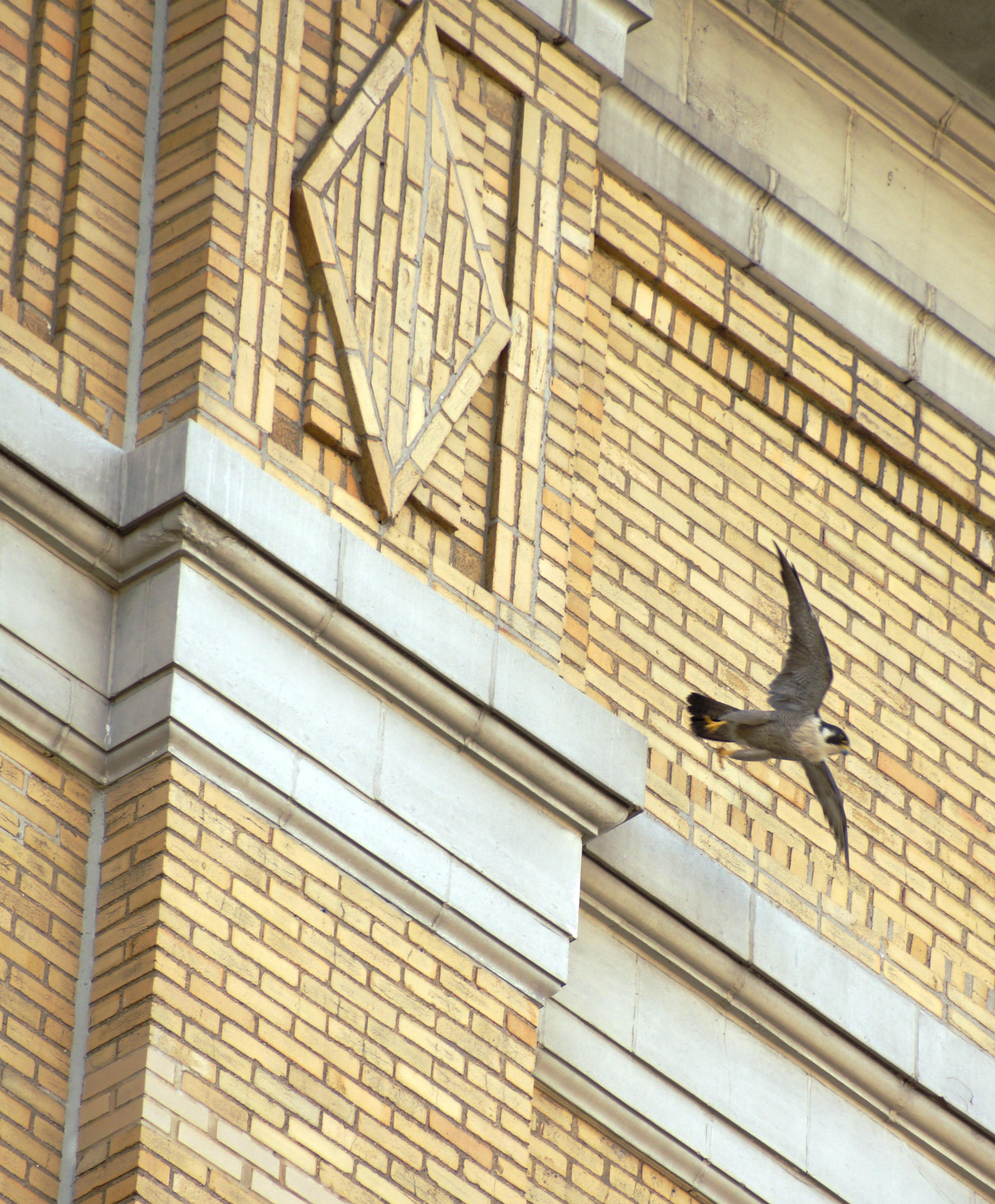
Peregrine Falcon Departs from the DEA Building

If you’re a regular High Line visitor you know the magnificent peregrine falcon who has taken up residence at the Drug Enforcement Agency building on 17th Street. I’ve been photographing this bird for more than a year, and a few months ago saw him perched with his mate.  Occasionally he cries out in piercing bursts, but lately he’s been sitting very quietly for hours at a time, watching the world go by. Today I caught him leaping off his ledge to go soaring over the Hudson River.

The Hudson is a major migratory corridor and some 300 species of birds – songbirds, raptors, waterfowl, shorebirds – pass overhead each year. One reason the abandoned rail line became such a bountiful wild garden is because birds carried seeds here from all over the country, both on their feathers and in their droppings. In his plan for the High Line landscape designer Piet Oudolf included many of the prairie grasses and perennials that first came here courtesy of birds.

The Spring Cutback

My theory is that the falcon is transfixed, as so many of us are, by the Spring Cutback, a great event that brings dozens of volunteers to the High Line to cut back all those perennials and grasses and allow for new growth.

There are 100,000 perennials and grasses in the park, but unlike many gardens, the plants are not deadheaded in the fall. An essential aspect of Oudolf’s planting design is the presence of seed heads in winter, and these dried, multi-form structures play an important role in the distinctive High Line landscape. The untouched plants also provide food and habitat for wildlife throughout the winter. But every year, beginning in March, it all has to be cut back.

There’s so much to see along the High Line right now — it’s an embarrassment of riches. Just don’t forget to look up as you walk south through the Chelsea Grasslands. You might catch that wonderful bird watching you.


Share
{ 1 comment }

Eyeball on the High Line

Anne Collier, Developing Tray #2

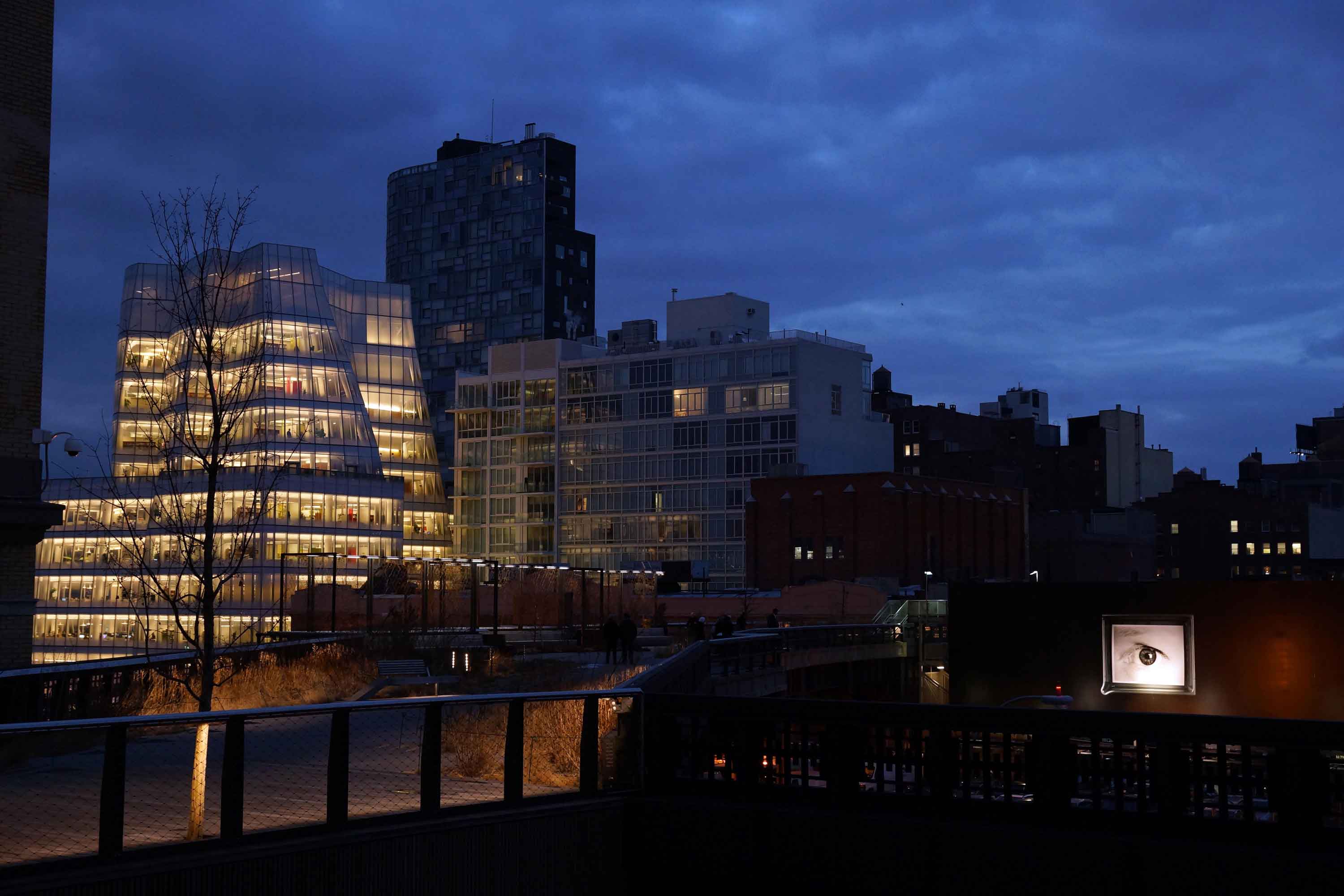
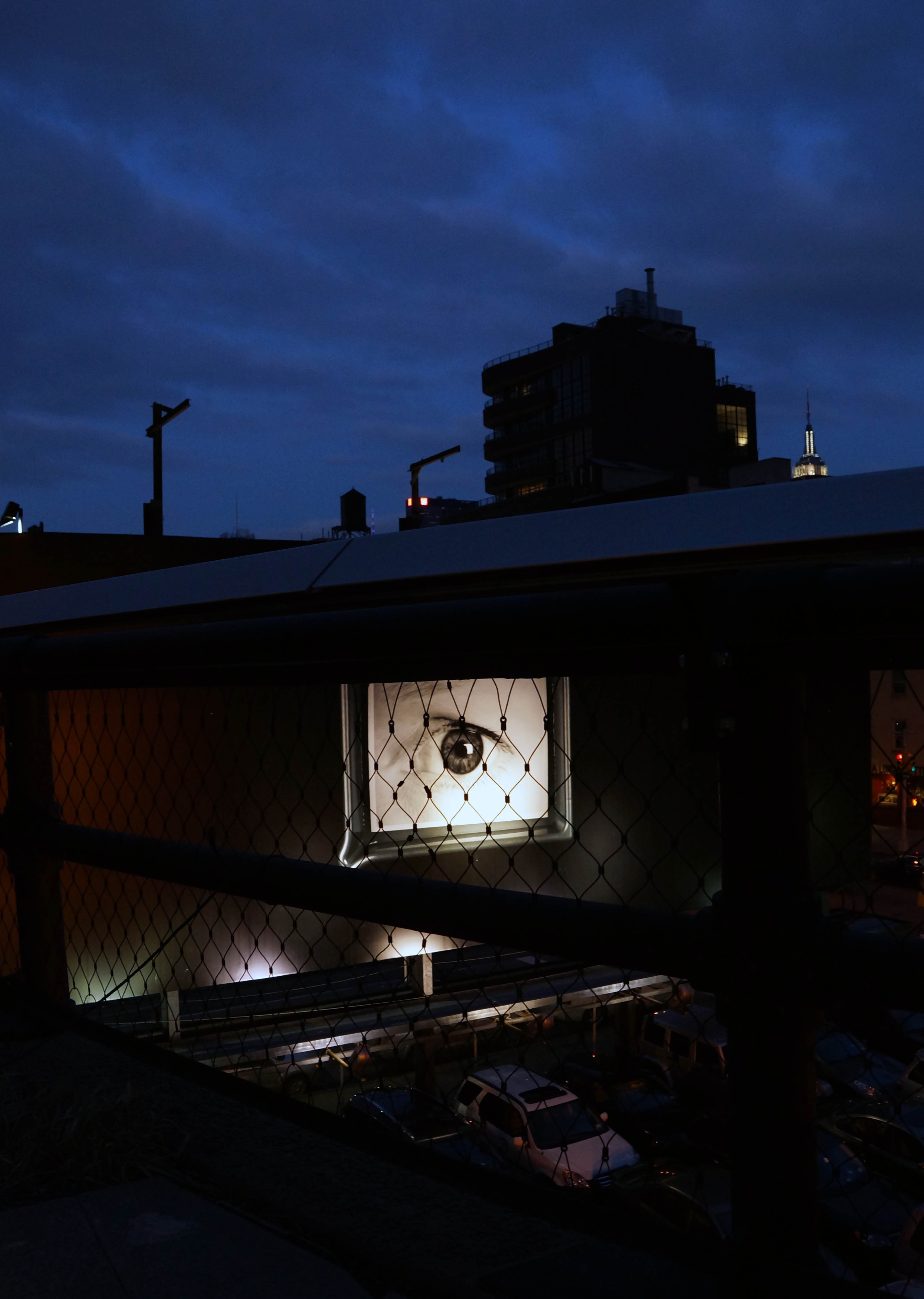
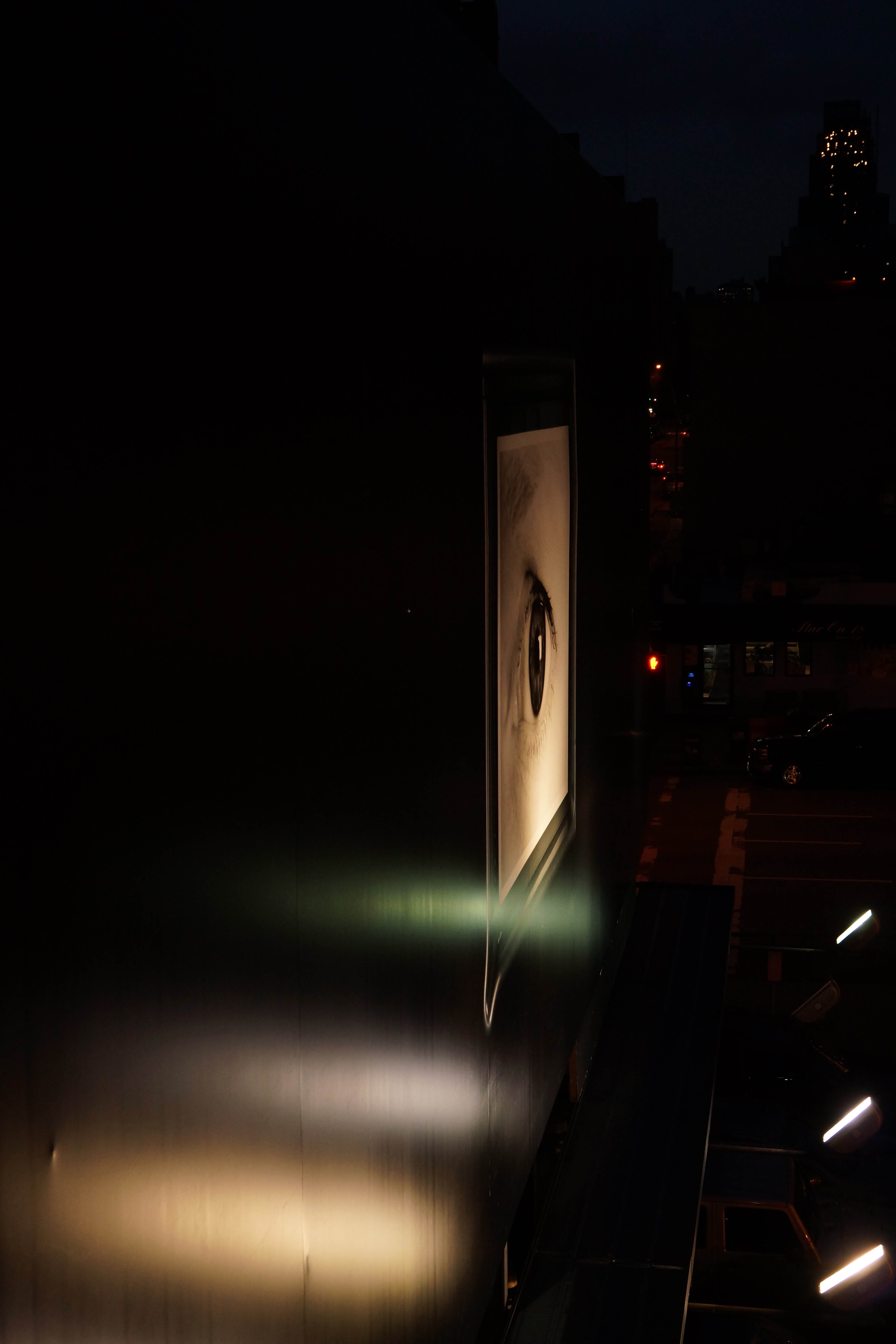
Anne Collier’s photograph”Developing Tray #2,” now featured on the High Line Billboard at 18th Street, is a ringing testament to the power of the High Line’s art program. This piece didn’t strike me when I first saw it a few weeks ago, in broad daylight, but lately I’ve been visiting the park at dusk, and wow, what a difference an evening makes.

The work is so spare and simple that it stands out quite dramatically in the busy viewscape of buildings, car headlights, and rowdy billboard ads around it. But what makes Collier’s image such a great example of the power of public art is the way you can overlay your own ideas onto it. And the High Line makes the perfect foil. I’m not a good enough photographer to create anything worthwhile, but I’ve had great fun framing the eyeball through the railings. Every view is different, and every angle offers a new surprise.

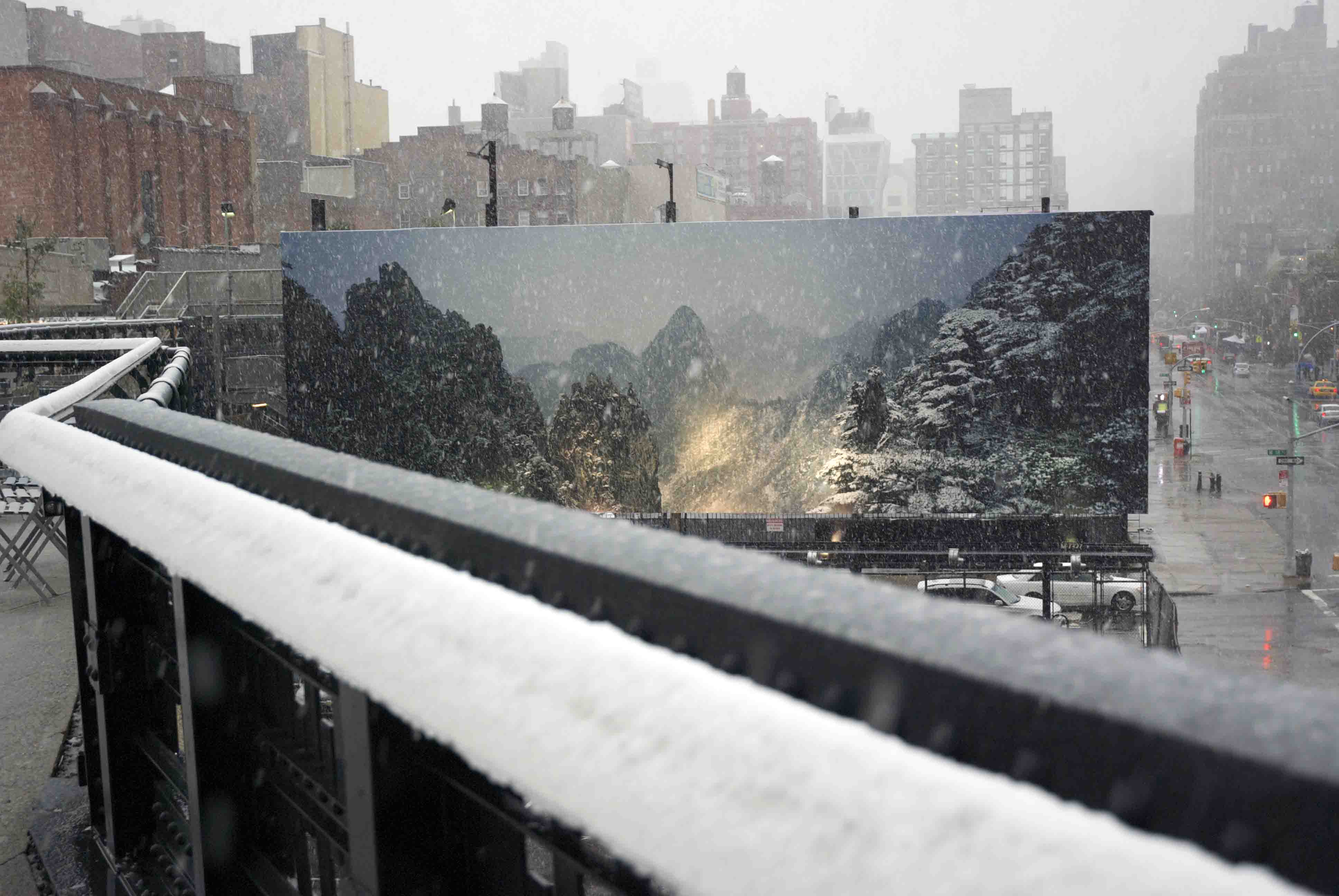
I’ve loved all the photographs in the Billboard program, but didn’t realize until recently how and why these photos work so well in their unique setting.  Darren Almond’s FullMoon@TheNorthSea, a photograph that portrays the Huangshan mountain range in China on the evening of a full moon, was on display last year. I happened upon it one day during a rare October snow storm, which animated the billboard and transported everyone who saw it into another world altogether.

This billboard (when it’s not displaying a humorous slogan for the parking lot below it) makes you realize how different it is to see a work of art in a public space versus a museum or a gallery. The High Line’s commitment to public art is a boon to us all.

Darren Almond’s Fullmoon@The North Sea


Share
{ 1 comment }

Introducing Urban Greenways

All over the country – and indeed the world – the impact of the High Line is being felt.  Every week, it seems, brings a new story of someone who’s dreaming of a park made from  an old railway, and in many places those dreams are becoming reality.

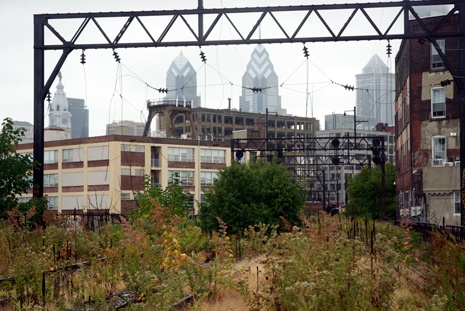
This Fall I made two trips to Philadelphia to walk the Reading Viaduct, a former elevated railroad that offers stunning views of the Philadelphia skyline as well as intimate glimpses of everyday life in the streets below. Just like the High Line.

My friend Rick Darke, who has been writing about and photographing the High Line since 2002,  introduced me to Paul Van Meter of VIADUCTGreene and John Struble of the Reading Viaduct Project, two community leaders who are working to bring this old elevated railroad back to life as an urban greenway.  This is a particularly interesting project because the 4.5 mile extent of the former railroad includes both an elevated viaduct and an underground section. The mile-long elevated part consists of two branches that would connect very different neighborhoods: Chinatown towards the southern end, and an area settled by artists working in loft spaces just a bit farther north.
As in New York, the Philadelphia viaduct offers a window into the Industrial Revolution and the days when cities were places where things were made and then shipped all over the country and the world. You can still see the faded lettering on the sides of former industrial buildings that once served as automobile, bicycle, shoe, glass and balloon factories. But most stunning of all are the architectural forms that straddle the viaduct:  vertical steel structures known as catenaries that arch across the tracks and once carried electrical current from the high wires and transferred it down to the locomotives. Go here to read more about the Reading Viaduct and see photographs.

Walking the elevated part of Philadelphia’s abandoned railway made me finally understand what so many early visitors to the High Line saw and fell in love with when today’s “park in the sky” was a wild urban garden. That in turn made me fascinated to learn about the many other efforts that are taking place around the country and the world. In cities across America community leaders and urban planners are looking to the High Line for inspiration. One can sense an exciting new trend in urban reclamation, like a heartbeat pulsing from one end of the country to the other.

Thus a new feature on LivinTheHighLine, “Urban Greenways,” which identifies these efforts and provides photos where available.  As time goes by I’ll update the list, add cities and provide progress reports, and I’ll be adding international projects as well.
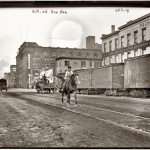
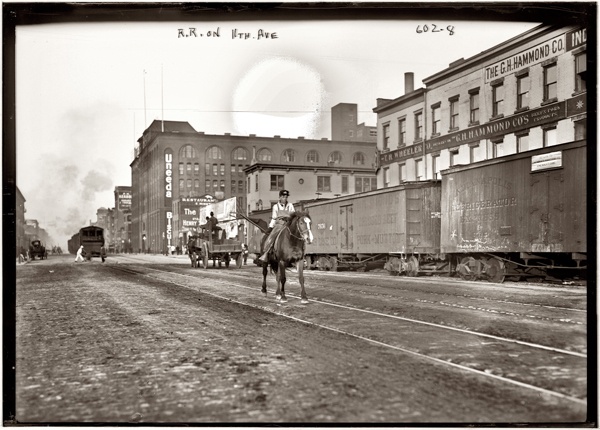
Railroads came to Manhattan in the 1830s; the first was the Harlem, which opened in February 1832. In those days rail cars were pulled by horses and could attain a speed of 7 miles per hour. It was two years before a steam locomotive would hit the streets of New York, and it exploded just eight months later. But the railroad race was on, and it’s one of the great stories of this country. Seeing urban greenways developing from our abandoned railroads is exciting both for the joys that a beautiful park can offer, but also for the “teachable moment” they can provide.

When New York’s elevated park opened in 2009 it did so with an uncommon dedication to educating young and old alike, providing programs devoted to art, entertainment, cultural history, and even astronomy. Just a year later, the Times observed that “The High Line has become, like bagels and CompStat, another kind of New York export.”  Friends of the High Line created a model that is now inspiring other groups around the country to reach well beyond the noble goal of creating a beautiful public space.  Many of the projects covered in Urban Greenways, like the Harsimus Stem Embankment, plan to include outdoor classrooms for kids and other features that would provide historical context.

This was an important year for the High Line:  it doubled the walkable space of its gardens and announced major progress on the development of the final section, which majestically wraps around the West Side Rail Yards between 30th – 34th Streets. (Joshua David and Robert Hammond also published a book that tells the whole story of how the park came to be…) As the year winds down, it’s clear that there is much to look forward to, both here and all over this great country of ours.

Happy holidays, everyone. And as you think about those last-minute charitable donations, remember that all of these places are steered and guided by non-profits, and depend to a large extent on donations from the public. Each of the Urban Greenways listed here includes links to the websites of the organization behind it, where you’ll quickly find a way to donate.  Here is the link to Friends of the High Line.

 Visit Urban Greenways: Other Projects Around the World.


[Note: if this subject interests you, you’ll find a very interesting list of “Relevant Reading” on the VIADUCTGreene website that includes books about Landscape, Urbanism and Railroading. It’s a must-read list for anyone interested in the powerful new trends in urban design and planning that are sweeping the country. There’s also an excellent new documentary, “Urbanized,” by Gary Hustwit, which you can now watch online if it’s not available in a theater nearby.]
 

Share
{ 2 comments }